
South America, beyond its iconic Machu Picchu and bustling Rio de Janeiro, holds a treasure trove of undiscovered paradises. This journey unveils hidden gems, lesser-known destinations brimming with unique cultural experiences and breathtaking landscapes. Prepare to explore secluded villages, untouched rainforests, and awe-inspiring natural wonders, far from the usual tourist trails. Discover a South America that’s both adventurous and enriching.
We’ll delve into three specific destinations, detailing their unique features, ideal visiting times, and thrilling activities. From practical travel tips to budgeting strategies and safety precautions, this guide equips you for an unforgettable South American adventure. Get ready to experience the raw beauty and vibrant culture of South America’s hidden corners.
Unveiling South America’s Hidden Gems
South America, a continent brimming with vibrant cultures, breathtaking landscapes, and a rich history, often captivates travelers with its iconic destinations. While the allure of Machu Picchu, Rio de Janeiro’s Christ the Redeemer, and Iguazu Falls is undeniable, a deeper exploration reveals a treasure trove of lesser-known destinations, offering unique and authentic experiences far removed from the bustling tourist crowds.
These hidden gems provide a more intimate connection with the continent’s soul, allowing for a truly transformative travel experience.Beyond the well-trodden paths lie opportunities to discover secluded beaches, untouched rainforests, charming colonial towns, and indigenous communities preserving ancient traditions. Instead of navigating throngs of tourists at popular sites, imagine exploring ancient ruins shrouded in mystery, hiking through pristine landscapes teeming with wildlife, or engaging with local artisans who have perfected their crafts for generations.
This is the promise of South American off-the-beaten-path travel; a journey into the heart of the continent’s vibrant diversity.
Examples of Popular Destinations versus Hidden Gems
Popular destinations like Machu Picchu in Peru, while undeniably spectacular, attract millions of visitors annually, leading to crowds and higher prices. In contrast, the Colca Canyon, also in Peru, offers equally stunning vistas – perhaps even more dramatic – with a significantly smaller tourist presence. Similarly, while Rio de Janeiro is famous for its beaches and Carnival, the charming colonial city of Paraty, nestled on the coast south of Rio, provides a more tranquil and authentic Brazilian experience with its cobblestone streets and preserved historical architecture.
The bustling city of Buenos Aires offers a vibrant cultural experience but the quiet beauty of the Jesuit Block and Estancias of Cordoba province offers a more peaceful immersion into Argentina’s history and rural life. These examples highlight the potential for richer, more meaningful interactions when venturing beyond the well-known tourist hubs.
Exploring Undiscovered Coastal Paradises
The South American coastline is a vast and diverse tapestry of hidden beaches and coastal towns. While popular beaches in Brazil and Argentina attract large numbers of tourists, numerous secluded coves and less-visited stretches of sand offer a different experience. Imagine pristine white-sand beaches fringed by lush vegetation, turquoise waters teeming with marine life, and the tranquility of a sunrise undisturbed by crowds.
These hidden coastal gems provide opportunities for snorkeling, diving, kayaking, and simply relaxing and reconnecting with nature in a truly peaceful environment. For example, Tayrona National Park in Colombia, with its secluded beaches and ancient ruins, offers a blend of natural beauty and historical intrigue, a stark contrast to the more developed coastal areas.
Undiscovered Paradises
South America, a continent brimming with iconic destinations, also harbors a wealth of lesser-known gems waiting to be explored. These hidden paradises offer unique opportunities to connect with nature and culture in ways that are far removed from the typical tourist trail. Venturing off the beaten path allows for more immersive experiences, fostering a deeper appreciation for the continent’s diverse landscapes and rich heritage.
Let’s delve into three such destinations, each offering a distinct and unforgettable journey.
Three Undiscovered South American Destinations
This section details three lesser-known destinations, highlighting their geographical uniqueness and cultural significance, along with optimal travel times. Careful consideration of weather patterns and local events ensures a truly enriching experience.
| Destination | Best Time to Visit | Unique Features | Things to Do |
|---|---|---|---|
| Salar de Uyuni, Bolivia | Dry season (May-October). This avoids the rainy season’s flooding which obscures the salt flats’ beauty. The best time to see the “mirror effect” is during the dry season. | The world’s largest salt flat, offering surreal landscapes, stunning sunsets, and unique geological formations. The high altitude creates a dramatic, otherworldly atmosphere. | Explore the salt flats, visit Isla Incahuasi (Cactus Island), witness the sunset, stay in a salt hotel, and experience the surreal landscapes of the surrounding area. Consider a multi-day tour to fully appreciate the vastness of the salt flat. |
| Colca Canyon, Peru | Dry season (May-September). This offers the best weather for hiking and viewing the canyon’s depth and the Condors. Avoid the rainy season (October-April) which makes trekking challenging and potentially dangerous. | One of the deepest canyons in the world, offering stunning views, diverse flora and fauna, and opportunities for hiking and trekking. The canyon is also known for its impressive Andean Condor population. | Hike along the canyon rim, trek to the canyon floor, spot Andean Condors, visit nearby hot springs, and explore the charming villages in the Colca Valley. |
| Los Glaciares National Park, Argentina | Summer (November-March). This provides access to hiking trails and opportunities for boat trips on the lakes. The weather is generally milder during these months. | Home to the Perito Moreno Glacier, a spectacular moving glacier that calving events can be witnessed. The park boasts stunning mountain scenery, turquoise lakes, and abundant wildlife. | Witness the Perito Moreno Glacier, hike among the glaciers, take a boat trip to see the icebergs, explore the Fitz Roy massif, and spot various wildlife species. |
Adventure & Exploration
South America offers a plethora of opportunities for adventure and exploration beyond the typical tourist trails. This section delves into unique activities and cultural immersion experiences available in three hidden gem destinations, showcasing the authentic spirit of these lesser-known locales. We will examine the thrilling activities, the opportunities for cultural exchange, and the overall immersive experiences these destinations offer.
Adventure Activities and Cultural Immersion in the Colombian Coffee Region
The Colombian Coffee Region, a UNESCO World Heritage site, presents a unique blend of adventure and cultural immersion. The landscape, characterized by rolling hills and lush coffee plantations, provides a stunning backdrop for various activities.
- Coffee Plantation Tours: Participate in a traditional coffee tour, learning about the entire process from bean to cup. This includes hands-on experiences like picking coffee cherries and witnessing the roasting process. Engage with local farmers and learn about their sustainable practices, gaining insight into their daily lives and traditions.
- Hiking and Birdwatching: Explore the region’s diverse ecosystems through hiking trails, offering breathtaking views and opportunities for birdwatching. The region is home to a wide variety of avian species, making it a paradise for bird enthusiasts. Guided hikes often incorporate stops at local communities, fostering interactions with residents.
- Horseback Riding: Experience the countryside on horseback, traversing scenic trails that wind through coffee plantations and picturesque villages. This offers a tranquil way to immerse oneself in the natural beauty of the region and interact with local guides who share their knowledge of the area and its history.
Adventure Activities and Cultural Immersion in the Lake District of Chile
Chile’s Lake District, a region of breathtaking natural beauty, provides a different kind of adventure. The stunning lakes, volcanoes, and forests offer a multitude of activities, alongside opportunities to connect with the local Mapuche culture.
- Kayaking and Canoeing: Explore the pristine lakes by kayak or canoe, enjoying the tranquility of the water and the spectacular views of the surrounding mountains and forests. Many tours offer guided excursions, providing insights into the local flora and fauna.
- Volcano Hiking: Challenge yourself with a hike to the summit of one of the many volcanoes in the region. This requires a good level of fitness, but the panoramic views from the top are well worth the effort. Local guides can provide valuable insights into the geological history of the area.
- Mapuche Cultural Immersion: Engage with the Mapuche indigenous community, learning about their rich culture, traditions, and history. This could involve visiting a Mapuche village, participating in a traditional ceremony, or learning about their crafts and art forms. Respectful engagement and responsible tourism are crucial in these interactions.
Adventure Activities and Cultural Immersion in the Salar de Uyuni, Bolivia
The Salar de Uyuni, the world’s largest salt flat, offers a truly unique and unforgettable adventure. The vast expanse of white salt, coupled with the surreal landscapes surrounding it, creates a truly otherworldly experience.
- Salt Flat Exploration: Explore the vast salt flats on foot or by jeep, experiencing the surreal beauty of this unique landscape. Optical illusions and stunning sunsets create memorable photographic opportunities. Tours often include visits to nearby islands and lagoons.
- Stargazing: Due to its high altitude and lack of light pollution, the Salar de Uyuni is an ideal location for stargazing. The clear night skies offer breathtaking views of the Milky Way and other celestial bodies. Guided stargazing tours can provide insights into the constellations and celestial events.
- Interaction with Local Communities: While the Salar itself is vast and seemingly uninhabited, the surrounding areas have small communities that rely on tourism. Engage respectfully with these communities, learning about their way of life and supporting local businesses. This might involve purchasing handicrafts or staying in locally owned accommodations.
Practical Travel Information
Planning a trip to South America’s hidden gems requires careful consideration of logistics and practicalities. Understanding visa requirements, transportation options, and packing essentials will significantly enhance your journey and minimize potential setbacks. This section provides a concise overview to aid in your preparations.
Visa Requirements
Visa requirements for South American countries vary greatly depending on your nationality. It’s crucial to check the specific requirements for each country you plan to visit well in advance of your trip. Many nationalities can enter several South American countries visa-free for tourism for a limited period (e.g., 90 days), while others require visas obtained prior to travel.
Websites like the respective country’s embassy or consulate websites, or travel.state.gov (for US citizens), are excellent resources for this information. Always confirm the validity of your passport and ensure it has sufficient remaining validity beyond your intended stay. For example, a US citizen may enter Colombia visa-free for tourism for up to 90 days, while a Brazilian citizen might need a visa to enter Chile, depending on the purpose and duration of their stay.
Transportation within South America
South America offers a diverse range of transportation options, each with its own cost and efficiency considerations. Domestic flights are generally the fastest option, particularly for longer distances, but can be expensive. Buses are a significantly cheaper alternative, providing a more immersive experience and offering scenic routes, though travel times can be considerably longer. For shorter distances within cities or regions, taxis and ride-sharing services are readily available.
Train travel is limited in certain areas but can be a comfortable and scenic choice where available. For example, a flight from Medellín, Colombia to Lima, Peru, will be much faster than a bus journey but significantly more expensive. Conversely, traveling between cities within a single country, like Ecuador, might be more cost-effective and enjoyable by bus.
Essential Travel Items for South American Adventures
Preparing for a South American adventure necessitates packing strategically. A versatile and adaptable packing list is essential. Consider the climate of the regions you’ll visit, as conditions can vary dramatically. Pack lightweight, quick-drying clothing suitable for both warm and cooler temperatures. Comfortable walking shoes are a must, along with rain gear, sunscreen, insect repellent, a hat, and sunglasses.
A reusable water bottle is crucial for staying hydrated. Consider a first-aid kit containing essential medications and any personal prescriptions. A universal adapter for electronics is also vital. Finally, don’t forget a phrasebook or translation app to enhance communication. A well-packed backpack, rather than a large suitcase, will provide greater flexibility for exploring diverse terrains and modes of transportation.
Budgeting Your Trip
Planning a South American adventure requires careful consideration of your budget. The cost of your trip will vary significantly depending on your chosen destinations, travel style, and the time of year you visit. This section will help you understand the potential expenses and develop a budget that suits your financial capabilities.
While specific costs fluctuate based on seasonality and availability, we can offer a general comparison of expenses across three diverse South American hidden gems: Salento, Colombia; El Chalten, Argentina; and the Amazon Rainforest (let’s consider a specific region like the Tambopata National Reserve in Peru for clarity). These locations represent a range of experiences and price points, allowing for a comprehensive budgeting overview.
Accommodation Costs
Accommodation options in these locations range widely. In Salento, you might find budget-friendly hostels for around $10-$20 USD per night, while mid-range hotels can cost $30-$60 USD, and luxurious options significantly more. El Chalten, a popular trekking destination, offers similar ranges, but prices might be slightly higher due to demand. Hostels could start from $15 USD, mid-range hotels from $40 USD, and high-end lodges well above $100 USD.
The Amazon, especially in areas like Tambopata, often involves eco-lodges, with prices ranging from $50 USD per night for basic options to several hundred dollars for more luxurious stays, including guided tours and excursions.
Food Costs
Food costs are generally lower in South America than in many North American or European countries. In Salento, you can find delicious and affordable meals at local restaurants for $5-$15 USD per day. El Chalten, being a tourist hub, might be slightly more expensive, with meals averaging $10-$25 USD per day. In the Amazon, food is often included in eco-lodge packages, but if eating outside your lodge, expect to pay a similar amount to El Chalten.
Activity Costs
Activity costs are highly variable and depend heavily on your chosen activities. In Salento, coffee plantation tours are relatively inexpensive, typically costing around $20-$30 USD. Hiking and exploring the surrounding area are generally free, aside from any transportation costs. El Chalten is a paradise for hikers, with many trails offering stunning views at no cost. However, guided treks to Fitz Roy or Cerro Torre can range from $50-$150 USD per day.
Amazon activities, like jungle treks, boat trips, and wildlife spotting tours, often cost between $50-$150 USD per day or more, depending on the duration and inclusivity of the tour.
Budgeting Strategies for Different Travel Styles
Budget travelers can successfully explore these destinations by opting for hostels, cooking some of their own meals, and choosing free or low-cost activities like hiking and exploring local markets. Mid-range travelers can balance their budget by choosing a mix of budget-friendly and mid-range accommodations, enjoying a blend of local and tourist restaurants, and participating in some paid activities. Luxury travelers can indulge in high-end accommodations, fine dining, and a variety of guided tours and excursions.
Tips for Finding Affordable Travel Deals
Several strategies can help maximize your travel budget. Booking flights and accommodation in advance can often secure better deals. Utilizing travel aggregator websites for comparing prices is highly recommended. Consider traveling during the shoulder seasons (periods between peak and off-season) to avoid higher prices and crowds. Taking advantage of free activities, like hiking and exploring local markets, significantly reduces costs.
Finally, learning some basic Spanish can enhance your experience and often leads to better deals and more authentic interactions with locals.
Safety & Health
Safe and healthy travel is paramount when exploring South America’s hidden gems. Understanding the potential risks and taking necessary precautions will significantly enhance your trip and allow you to fully immerse yourself in the experience. This section provides essential information on health precautions and safety measures for various regions, helping you to travel responsibly and confidently.
Health Precautions and Vaccinations
Prior to your trip, consulting your doctor or a travel clinic is crucial. Vaccination requirements and recommended preventative measures vary depending on your itinerary and the specific regions you plan to visit. It’s best to schedule a consultation at least eight weeks before departure to allow sufficient time for vaccinations and any necessary medication.
- Amazon Rainforest: Yellow fever vaccination is strongly recommended, as is protection against malaria. Consult your doctor about necessary anti-malarial medication and discuss the appropriate dosage and timing. Additionally, precautions against insect-borne illnesses like Zika virus and dengue fever are essential, including the use of insect repellent containing DEET.
- Andean Highlands: Altitude sickness is a significant concern in the Andean region. Acclimatization is vital; plan for gradual ascents and allow your body time to adjust to the changing altitude. Stay hydrated and avoid strenuous activity during the initial days at high altitudes. Consult your doctor about altitude sickness medication if needed.
- Patagonia: While the risk of infectious diseases is lower in Patagonia, appropriate clothing for extreme weather conditions is essential. Be prepared for unpredictable weather, including strong winds, rain, and potential snow, even during summer months. Carry a well-stocked first-aid kit including supplies for treating blisters and minor injuries.
Safety Concerns and Practical Tips
South America, like any other travel destination, presents certain safety concerns. Awareness and preparedness are key to mitigating risks. By following basic safety precautions, you can significantly reduce the likelihood of encountering problems.
- Petty Theft: Be vigilant about your belongings, especially in crowded areas. Avoid displaying expensive jewelry or electronics. Use secure methods of transportation and be aware of your surroundings.
- Transportation Safety: Utilize reputable transportation services. Research bus companies and taxi services beforehand, and avoid hitchhiking. Be cautious when using ride-sharing apps and ensure the driver’s information matches the app details.
- Food and Water Safety: Stick to reputable restaurants and avoid consuming uncooked food or street food from questionable vendors. Drink bottled water or water that has been purified. Wash your hands frequently.
- Personal Safety: Avoid walking alone at night in unfamiliar areas. Be aware of your surroundings and trust your instincts. Inform someone of your itinerary and check in regularly.
Travel Resources
Planning a trip to South America’s hidden gems requires thorough preparation, and leveraging the right resources is key to a smooth and enjoyable experience. This section Artikels valuable tools and information to help you navigate your journey effectively, from finding the perfect destination to ensuring your safety and well-being. We will cover reliable online resources, the benefits of travel apps, and the importance of securing appropriate travel insurance.Reliable travel blogs and websites offer invaluable insights into lesser-known destinations, practical tips, and firsthand accounts from fellow travelers.
These resources can significantly enhance your planning process and help you discover hidden gems you might otherwise miss. Using travel apps simplifies the booking process and offers real-time information, saving you time and money. Finally, comprehensive travel insurance provides crucial protection against unexpected events, offering peace of mind throughout your adventure.
Reliable Travel Blogs and Websites
Numerous reputable online platforms cater specifically to South American travel. These resources provide detailed guides, destination reviews, and practical advice, often including insights from experienced travelers. For example, websites specializing in adventure travel often feature detailed accounts of trekking in Patagonia or exploring the Amazon rainforest. Blogs focused on budget travel offer tips on maximizing your budget and finding affordable accommodations.
Sites dedicated to cultural tourism often provide in-depth information on local customs, traditions, and historical sites. By consulting multiple sources, you can gain a comprehensive understanding of your chosen destination and tailor your trip accordingly.
Benefits of Using Travel Apps
Travel apps have revolutionized trip planning and management. These apps offer convenient platforms for booking flights, comparing prices from various airlines, and securing the best deals. Similarly, accommodation booking apps provide access to a wide range of options, from budget-friendly hostels to luxurious hotels, allowing you to compare prices and amenities easily. Furthermore, many apps offer integrated features for booking tours and activities, providing a streamlined experience and often offering discounts.
Real-time tracking of flights and accommodation bookings, along with offline access to essential information, enhances the overall convenience and reduces stress during your journey.
Importance of Travel Insurance
Securing comprehensive travel insurance is paramount before embarking on any international trip, particularly to a region like South America. Travel insurance offers protection against a range of unexpected events, including medical emergencies, trip cancellations, lost luggage, and unforeseen circumstances. Reputable providers offer various plans tailored to different needs and budgets. Choosing a policy that covers medical expenses, emergency evacuation, and trip cancellations is highly recommended.
This financial safeguard ensures you can focus on enjoying your trip without the added worry of potential financial setbacks.
Visual Storytelling
South America’s hidden gems aren’t just geographically secluded; they’re visually stunning, offering a feast for the senses that transcends typical travel experiences. Each location possesses a unique aesthetic signature, a blend of natural beauty and cultural expression that leaves an indelible mark on the traveler’s memory. Let’s explore these destinations through the lens of vibrant colors, captivating landscapes, and the rich tapestry of local art and architecture.The power of visual storytelling lies in its ability to transport the reader to these locations, allowing them to experience the atmosphere and character firsthand, even before setting foot on South American soil.
We will delve into the specific sensory details that define each destination, highlighting the elements that make them truly unforgettable.
Colca Canyon, Peru: A Symphony of Terracotta and Azure
Imagine a canyon so deep it dwarfs even the Grand Canyon, its sheer walls a breathtaking tapestry of terracotta hues, layered and textured by millennia of erosion. The intense sunlight casts dramatic shadows, accentuating the rugged beauty of the landscape. The Colca River, a vibrant ribbon of azure, snakes its way through the canyon floor, a stark contrast to the earthy tones surrounding it.
Traditional Andean villages cling precariously to the canyon sides, their whitewashed adobe houses a splash of brightness against the ochre cliffs. The air is crisp and clean, carrying the scent of wild herbs and distant livestock. Local artisans create intricate textiles, their vibrant colors echoing the landscape’s hues, a testament to the enduring connection between the people and their environment.
The overall feeling is one of awe-inspiring grandeur tempered by a sense of quiet, ancient serenity.
Salar de Uyuni, Bolivia: A Mirror to the Sky
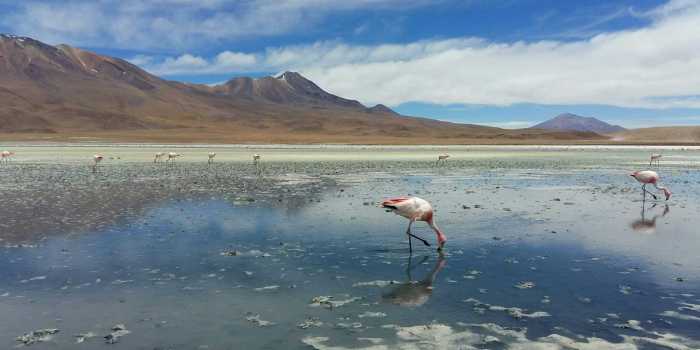
The Salar de Uyuni, the world’s largest salt flat, is a surreal landscape unlike any other. During the rainy season, it transforms into a giant mirror reflecting the sky, creating an illusion of boundless expanse. The blinding white expanse is punctuated by isolated cacti, their silhouettes stark against the brilliant white surface. The colors are stark and simple – the brilliant white of the salt, the deep blue of the sky, and the occasional green of the cacti.
The air is thin and crisp, the silence profound, broken only by the occasional cry of a bird. The vastness of the salt flat evokes a feeling of isolation and wonder, a humbling experience that underscores the immense scale of the natural world. Local communities, often involved in salt extraction, add a human element to this otherworldly scene, their lives deeply intertwined with this unique environment.
La Paz, Bolivia: A City of Contrasts
La Paz is a city of dramatic contrasts, a breathtaking juxtaposition of ancient and modern. The city sprawls across a steep canyon, its buildings clinging precariously to the mountainside. The vibrant colors of the buildings – yellows, oranges, reds, and blues – create a kaleidoscope of hues against the backdrop of the Andes Mountains. Traditional Andean architecture, with its distinctive red-tiled roofs and whitewashed walls, sits alongside modern skyscrapers, a testament to the city’s dynamic evolution.
Indigenous culture is palpable in the bustling markets, where the air is thick with the aroma of exotic spices and the sounds of Quechua being spoken. The city’s energy is palpable, a frenetic mix of bustling commerce and ancient traditions. The steep, winding streets and the sheer scale of the city create a sense of both excitement and slight disorientation.
Exploring South America’s hidden gems offers a transformative travel experience, far removed from the typical tourist hotspots. This journey unveils not only stunning landscapes but also rich cultural immersion and unique adventures. By carefully planning your trip, considering budget, safety, and logistics, you can unlock a truly authentic and unforgettable South American adventure. So, embark on this exploration, and discover the magic that awaits beyond the well-trodden paths.
Popular Questions
What’s the best time of year to visit these hidden gems?
The ideal time varies by location and specific climate preferences. Generally, spring and autumn offer pleasant weather in many regions, avoiding peak tourist seasons and extreme temperatures.
How safe is traveling to these lesser-known destinations?
Safety precautions are essential regardless of destination. Research specific safety concerns for each area beforehand, and utilize common-sense travel safety measures.
What type of visa do I need?
Visa requirements depend on your nationality. Check with the respective embassy or consulate of your chosen destination well in advance of your trip.
Are these destinations suitable for solo travelers?
Many of these destinations are perfectly safe and enjoyable for solo travelers, offering opportunities for self-discovery and independent exploration. However, always prioritize safety and inform someone of your itinerary.


