
Unlocking the secrets of hidden travel gems and local experiences is now easier than ever, thanks to a burgeoning ecosystem of mobile applications. These apps transcend simple travel planning, offering curated insights, personalized recommendations, and interactive features that enrich the journey. From uncovering off-the-beaten-path destinations to connecting with local communities, these digital tools empower travelers to create truly authentic and memorable experiences.
This exploration delves into the capabilities and potential of these apps, examining their features, functionalities, and the broader impact they have on the travel landscape.
We’ll investigate various app categories, innovative features, and effective UI/UX designs that enhance the discovery of hidden gems. Furthermore, we’ll explore the benefits of app integration with other travel services, the importance of user-generated content, and strategies for fostering community engagement. The discussion will also encompass practical aspects such as travel deals and resources, ensuring a comprehensive overview of this rapidly evolving sector.
Types of Travel Apps
Discovering hidden travel gems and unique local experiences is easier than ever thanks to a plethora of travel apps. These apps cater to diverse travel styles and preferences, offering everything from curated itineraries to insider tips and recommendations. They’re transforming the way we plan and experience travel, moving beyond generic tourist traps to unveil authentic cultural immersion.
Several categories of travel apps specialize in helping travelers uncover hidden gems and local insights. These apps leverage user-generated content, partnerships with local experts, and sophisticated algorithms to surface unique experiences often missed by traditional travel guides.
Categorization of Travel Apps Focused on Hidden Gems
The following table categorizes five types of travel apps focusing on uncovering hidden travel gems and local tips. Each category offers a unique approach to helping travelers discover authentic and less-traveled destinations and experiences.
| Category | Description | App Examples | Focus |
|---|---|---|---|
| Local Experience Platforms | Connect travelers with locals offering unique experiences and tours. | Airbnb Experiences, WithLocals, Vayable | Authentic cultural immersion |
| Interactive City Guides | Provide curated itineraries and recommendations based on user interests and location. | Citymapper, TripAdvisor, Google Maps | Personalized exploration |
| Off-the-Beaten-Path Travel Planners | Specialize in suggesting lesser-known destinations and activities. | Nomad List, The Dyrt, Scout | Unique and unusual experiences |
| Social Travel Networks | Allow users to share travel tips, recommendations, and experiences with others. | Instagram, Facebook Groups, Reddit (r/travel) | Community-driven discovery |
| Hyperlocal Guide Apps | Focus on providing detailed information about specific neighborhoods or towns. | Time Out, The Infatuation, Atlas Obscura | Neighborhood-specific recommendations |
Examples of Off-the-Beaten-Path Travel Apps
Several apps excel at helping travelers discover truly unique and off-the-beaten-path experiences. These apps go beyond typical tourist attractions, offering access to hidden gems and local insights often unavailable through mainstream travel resources.
Here are three examples:
- Nomad List: This app focuses on providing information for digital nomads, highlighting lesser-known destinations with good Wi-Fi, co-working spaces, and affordable living costs. It’s particularly useful for those seeking long-term travel experiences beyond typical tourist hotspots.
- The Dyrt: This app specializes in camping and outdoor adventures, providing access to reviews and information on dispersed campsites, hiking trails, and other outdoor activities far from the crowds. It’s a great resource for nature lovers seeking secluded escapes.
- Scout: This app curates hidden gems and unique experiences based on user location and preferences. It uses a combination of algorithms and user-generated content to suggest local activities, restaurants, and hidden spots that aren’t widely publicized.
Comparison of Popular Travel Apps for Discovering Hidden Gems
The following table compares three popular travel apps based on their strengths and weaknesses in helping users discover hidden travel gems. While all three apps offer some level of discovery, their approaches and effectiveness differ.
| App | Strengths | Weaknesses |
|---|---|---|
| Airbnb Experiences | Access to unique, local experiences hosted by residents; strong focus on authenticity. | Can be expensive; availability varies depending on location; limited scope beyond experiences. |
| Google Maps | Comprehensive map data; user reviews and ratings; easy to use interface. | Relies heavily on user-generated content, which can be inconsistent; may not always highlight truly hidden gems. |
| Atlas Obscura | Focuses specifically on unusual and offbeat attractions; curated list of hidden gems worldwide. | Limited to the attractions included in their database; may not cover every location. |
Local Tip Discovery Features
Travel apps have revolutionized the way we plan and experience trips. Beyond basic itinerary planning, the most engaging apps offer a deeper dive into local culture and hidden gems, transforming a trip from a simple sightseeing tour into a truly immersive experience. Innovative features are key to unlocking these hidden treasures and making travel more personal and memorable.The ability to uncover authentic local experiences is a significant draw for modern travelers.
They seek to avoid the typical tourist traps and instead discover unique places and activities that reflect the genuine character of a destination. This requires travel apps to go beyond simple listings and provide curated, personalized recommendations based on user preferences and real-time context.
Innovative Features for Local Gem Discovery
Several innovative features can significantly improve a travel app’s ability to uncover hidden local gems and unique experiences. These features move beyond simple location-based services and offer more contextual and personalized recommendations.
- Hyperlocal Guides: Instead of broad city guides, these would focus on specific neighborhoods, offering insights into local markets, hidden cafes, and community events. Imagine a guide dedicated to the artistic alleyways of Montmartre in Paris, highlighting specific studios and artists only locals know about.
- Interactive Local Maps with Dynamic Content: These maps would not only show points of interest but also integrate real-time information like crowdsourced reviews, event schedules, and even current wait times at popular spots. This allows users to make informed decisions on the fly.
- Personalized Recommendations based on User Profiles and Travel Styles: The app could learn user preferences (e.g., love of street art, interest in historical sites, budget constraints) to offer highly personalized recommendations of off-the-beaten-path destinations tailored to their unique tastes.
- Integration with Local Social Media and Forums: Connecting with local social media groups and online forums allows access to real-time information about events, hidden gems, and even temporary closures. This crowdsourced intelligence offers a more authentic and up-to-date view than static guidebooks.
- Gamified Exploration: Introducing elements of gamification, such as challenges, badges, and leaderboards, encourages exploration and discovery. Users could earn points for visiting lesser-known places, leading to a more interactive and rewarding travel experience. For example, finding three independent bookstores in a specific district could unlock a digital badge and add points to the user’s profile.
Augmented Reality Integration for Local Information
Augmented reality (AR) offers a powerful way to overlay digital information onto the real world, enhancing the user’s experience. Within a travel app, AR could provide real-time local information and recommendations as users walk around a city.Imagine pointing your phone at a historical building and seeing its history, architectural details, and even user-generated reviews pop up on your screen.
AR could also highlight nearby cafes, shops, and attractions, providing immediate context and recommendations based on the user’s current location. Furthermore, AR could guide users to hidden alleys or less-traveled streets, leading them to undiscovered gems. A restaurant with a hidden entrance could be easily located with AR navigation.
UI Design Considerations for Presenting Local Tips
Effective UI design is critical for presenting local tips and hidden gems in a user-friendly and engaging way. The following considerations are essential for optimizing the user experience.
- Clean and Intuitive Navigation: The app should be easy to navigate, with clear categorization and filtering options to help users quickly find relevant information. A cluttered interface will frustrate users and detract from the experience.
- Visually Appealing Design with High-Quality Images and Videos: High-quality visuals are crucial for showcasing the appeal of hidden gems. Stunning photography and engaging videos can capture the essence of a place and inspire users to visit.
- Interactive Maps and Location-Based Services: Easy-to-use maps with clear pinpointing of locations and integrated navigation features are essential for guiding users to their destinations.
- Personalized Filtering and Sorting Options: Users should be able to filter and sort recommendations based on various criteria, such as price, distance, type of activity, and user ratings. This allows for customized exploration.
- User-Generated Content Integration: Integrating user-generated reviews, photos, and tips adds authenticity and allows users to learn from each other’s experiences. A strong emphasis on user reviews and ratings increases trust and reliability.
Integration with Other Travel Services
Integrating a hidden gem discovery app with other travel services significantly enhances the user experience, transforming it from a simple suggestion tool into a comprehensive travel planning platform. This integration streamlines the booking process, provides personalized recommendations, and ultimately leads to more enriching travel experiences. By connecting with established services, the app can leverage existing infrastructure and data to offer a more robust and convenient service.Seamless user experience and efficient booking are key advantages of integrating with travel booking platforms.
Imagine finding a charming guesthouse in a remote village through the app, and then directly booking it through the same interface without having to switch to another website or app. This eliminates friction and improves the overall user journey. Furthermore, the integration can allow for personalized recommendations based on the user’s booking history, ensuring they see hidden gems that align with their past travel preferences.
For example, if a user frequently books eco-lodges, the app could prioritize displaying similar hidden gems in their search results.
Leveraging User Location Data for Personalized Recommendations
User location data is crucial for providing relevant and timely suggestions. By accessing a user’s current location, the app can instantly identify nearby hidden gems – a local cafe with authentic cuisine, a breathtaking viewpoint accessible only by a short hike, or a unique artisan workshop. This real-time functionality transforms the app into a personalized travel guide, providing suggestions that are both relevant and immediately actionable.
The app can also use location data to build personalized itineraries, suggesting a route that connects multiple hidden gems based on the user’s current location and preferences. For instance, a user in Florence might receive an itinerary suggesting a hidden artisan workshop in the morning, followed by a lesser-known trattoria for lunch, and finally, a panoramic viewpoint for sunset.
Integrating Travel Insurance Options
Offering travel insurance options directly within the app provides peace of mind to users exploring less-traveled destinations. Integrating with a reputable travel insurance provider allows users to easily compare plans, select the coverage that best suits their needs, and purchase insurance directly through the app. This seamless integration minimizes the effort required to secure necessary protection, reducing a common barrier for travelers venturing off the beaten path.
This is particularly beneficial for users discovering hidden gems in remote locations, where unexpected incidents or medical emergencies might require significant resources. The integration could even provide customized insurance recommendations based on the specific activities and locations included in the user’s planned itinerary of hidden gems.
Content Creation and User Engagement
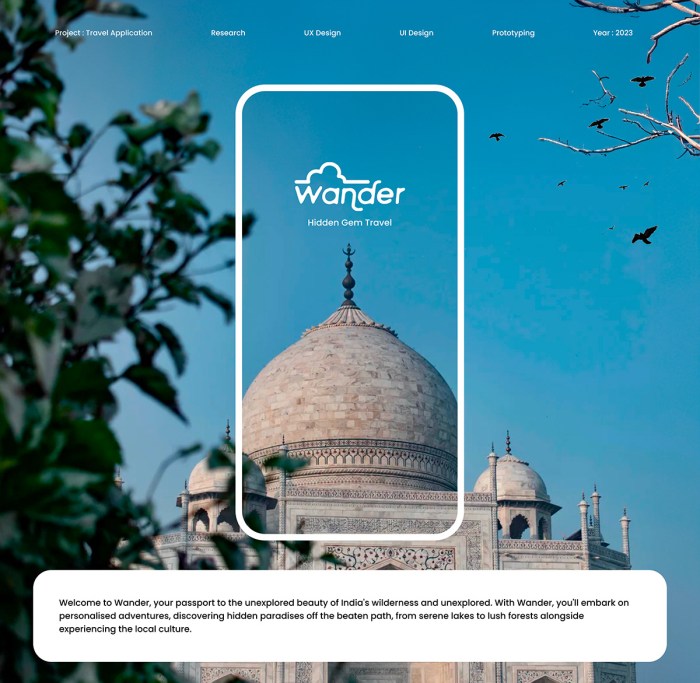
A thriving travel app hinges on a robust system for user-generated content and a vibrant, engaged community. This requires a thoughtful approach to content creation guidelines, community moderation, and strategies for encouraging active participation. The aim is to foster a platform where authentic travel experiences are shared, leading to a more enriching experience for all users.User-generated content forms the backbone of any successful travel app focusing on hidden gems.
It provides the authentic, insider perspective that users crave, supplementing curated content with the lived experiences of fellow travelers. A well-designed system for managing this content is crucial for maintaining quality and encouraging consistent contributions.
User-Generated Content System
The app will employ a multi-faceted approach to user-generated content, prioritizing authenticity and accuracy. Users can submit reviews and tips on hidden gems, including detailed descriptions, practical advice, and personal anecdotes. A robust moderation system will be in place to ensure quality control, removing spam, irrelevant content, or entries that violate the app’s community guidelines. This system will utilize a combination of automated filters and human moderators to maintain a high standard of content.
Reviews will be rated and ranked based on helpfulness and detail, incentivizing users to contribute high-quality information. To ensure authenticity, users might be encouraged to verify their visits through photo uploads or location tagging.
Strategies for Encouraging User Engagement and Community Building
A comprehensive strategy is needed to cultivate a strong sense of community within the app. This will include several key elements. First, a points-based reward system will incentivize users for contributing high-quality content, offering badges, virtual currency, or early access to exclusive features as rewards. Second, interactive features, such as forums and comment sections on individual posts, will encourage users to connect and discuss their travel experiences.
Third, regular contests and challenges based on user-generated content will create excitement and boost engagement. For example, a monthly photo contest showcasing the best hidden gem discovered by users, judged by the community and a panel of experts, could be implemented. Finally, curated lists of the top-rated hidden gems, compiled from user reviews and tips, will showcase the best of the community’s contributions.
Visual Storytelling for Hidden Gems
Visual content is paramount in showcasing hidden gems. The app will encourage users to upload high-quality images and videos, capturing the essence of each location. For example, an image might depict a breathtaking vista from a lesser-known hiking trail, with a detailed caption explaining the location and providing directions. Videos could showcase the vibrant atmosphere of a local market, offering a glimpse into the daily life of a community.
Users might also be encouraged to create short videos highlighting unique local experiences, such as a cooking class or a traditional dance performance. These visuals will be organized and easily searchable, allowing users to discover hidden gems through captivating imagery and compelling narratives. High-resolution images will emphasize the beauty of the landscapes and the details of local culture, while videos will capture the dynamic atmosphere and interactions.
Travel Deals and Resources
Discovering hidden travel gems shouldn’t break the bank. Integrating attractive travel deals into your app will significantly enhance user experience and encourage exploration. By offering a variety of options, your app can cater to different budgets and travel styles, attracting a wider range of users. The following sections will Artikel the types of deals to consider, how to incorporate external resources, and essential gadgets to enhance the overall travel experience.
Types of Integrated Travel Deals
Offering a diverse range of travel deals is crucial for attracting and retaining users. This will ensure your app caters to a broad spectrum of travel preferences and budgets. The following list presents five types of travel deals that can be seamlessly integrated into your app.
- Last-minute flight deals: Partnering with airlines to offer discounted flights for spontaneous trips to lesser-known destinations. These deals could be geographically targeted, highlighting hidden gems within a certain radius of the user’s location.
- Accommodation discounts: Collaborate with boutique hotels, guesthouses, and unique lodging options in off-the-beaten-path locations to provide users with exclusive discounts. This could include partnerships with locally owned businesses, supporting sustainable tourism.
- Activity packages: Bundle activities like guided hikes, cooking classes, or cultural tours at a discounted rate. These packages should focus on unique experiences unavailable through mainstream tourism channels, showcasing the true essence of the hidden gem.
- Rental car deals: Partner with car rental companies to provide users with discounts on vehicle rentals, especially beneficial for exploring remote areas and hidden gems that are not easily accessible by public transport.
- Combined travel packages: Offer curated packages combining flights, accommodation, and activities at a discounted price. These packages could be themed, for instance, a “romantic getaway to a hidden coastal village” or an “adventure package exploring a remote mountain range”.
Incorporating Travel Blogs and Guides
Integrating external resources, such as travel blogs and guides, enriches the app’s content and provides users with diverse perspectives on hidden gems. This adds value beyond the app’s core features, making it a more comprehensive travel planning tool. The following examples demonstrate effective integration strategies.
- Embedded blog posts: Directly embed relevant blog posts within the app’s location profiles. For example, a profile for a secluded beach could feature an embedded blog post detailing the best time to visit, local customs, and nearby restaurants.
- Curated guide integration: Partner with reputable travel guide publishers to incorporate curated content into the app. This could involve featuring excerpts from their guides or linking directly to their full guides for purchase. This adds credibility and a sense of authority to your app’s recommendations.
- User-generated content moderation: Allow users to submit their own travel tips, experiences, and photos. Moderate this content carefully to ensure accuracy and relevance, while also providing a platform for user-generated content to enhance the app’s content.
Essential Travel Gadgets for Discovering Hidden Gems
Having the right gadgets can significantly enhance the experience of exploring hidden travel gems. These tools can aid navigation, capture memories, and ensure connectivity, even in remote areas. The following table Artikels five essential gadgets.
| Gadget | Description | Benefits | Considerations |
|---|---|---|---|
| Portable Power Bank | A rechargeable battery pack to charge your devices on the go. | Essential for staying connected and using navigation apps in areas with limited power access. | Choose a power bank with sufficient capacity for your needs and ensure it is lightweight and durable. |
| GPS Tracker/Navigation Device | A device that provides location information, even without cellular data. | Crucial for navigating remote areas and ensuring you don’t get lost while exploring hidden gems. | Consider offline map capabilities and battery life when choosing a device. |
| High-Quality Camera | A camera capable of capturing high-resolution photos and videos. | Essential for documenting your adventures and sharing your experiences with others. | Consider factors like image quality, portability, and ease of use. |
| Universal Travel Adapter | An adapter that allows you to charge your devices in different countries. | Avoids the frustration of incompatible plugs and ensures your devices are always charged. | Ensure the adapter is compatible with the countries you plan to visit. |
| Noise-Cancelling Headphones | Headphones that reduce ambient noise. | Provides a peaceful environment for relaxation and enjoying the journey, particularly useful on long flights or crowded public transport. | Choose headphones that are comfortable for extended use and offer good noise cancellation. |
In conclusion, apps dedicated to uncovering hidden travel gems and local tips represent a significant advancement in the travel industry. Their ability to personalize experiences, connect travelers with authentic local insights, and streamline the planning process offers immense value. As technology continues to evolve, we can anticipate even more sophisticated and immersive features that will further enhance the discovery and enjoyment of unique travel destinations.
The future of travel is undoubtedly intertwined with the continued innovation and development of these powerful tools.
FAQ Corner
What data privacy measures should these apps employ?
Apps should be transparent about data collection, offer users control over their data, and employ robust security measures to protect user privacy.
How can I ensure the authenticity of user-generated content?
Apps can implement verification systems, encourage detailed reviews with photos, and flag potentially suspicious content.
Are there apps specifically designed for solo travelers?
While many apps cater to all travelers, some emphasize safety features and solo-travel-friendly recommendations.
How do these apps handle offline functionality?
Many apps allow downloading maps, guides, and other information for offline access, crucial for areas with limited connectivity.


