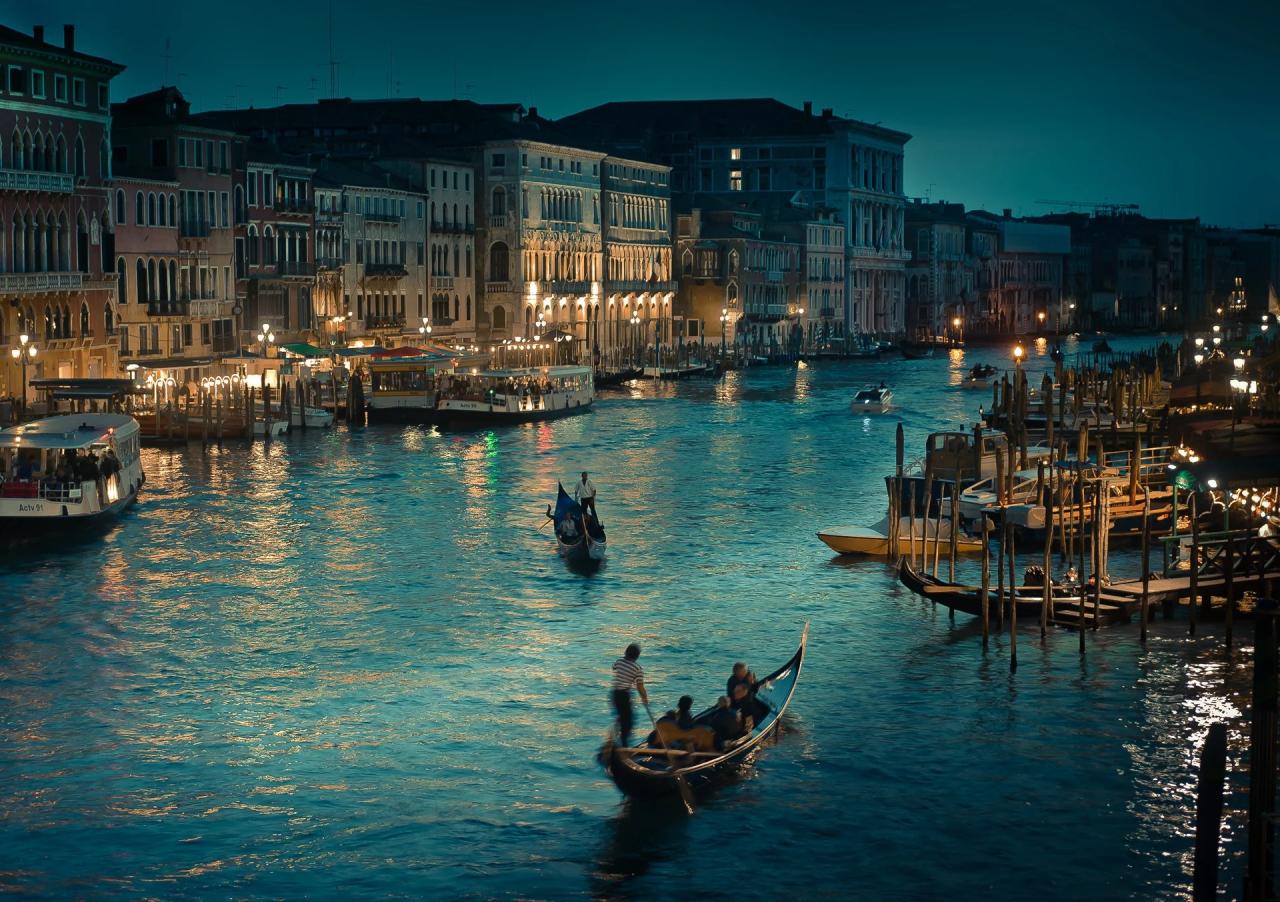
Discover breathtaking landscapes and hidden gems perfect for capturing stunning photographs. This guide unveils unique travel destinations catering to photography enthusiasts, offering insights into optimal times to visit, best photographic techniques for various subjects, and essential travel planning tips. From majestic mountains to vibrant cityscapes, we explore locations that promise unforgettable photographic experiences and opportunities to hone your skills.
We delve into practical aspects, including essential travel apps, the importance of insurance for valuable equipment, and sample itineraries. Furthermore, we’ll explore resources like photography-focused travel blogs and beneficial travel deals to make your photographic journey seamless and rewarding. Get ready to expand your photographic horizons and capture the world’s beauty through a unique lens.
Travel Planning and Resources for Photography Trips
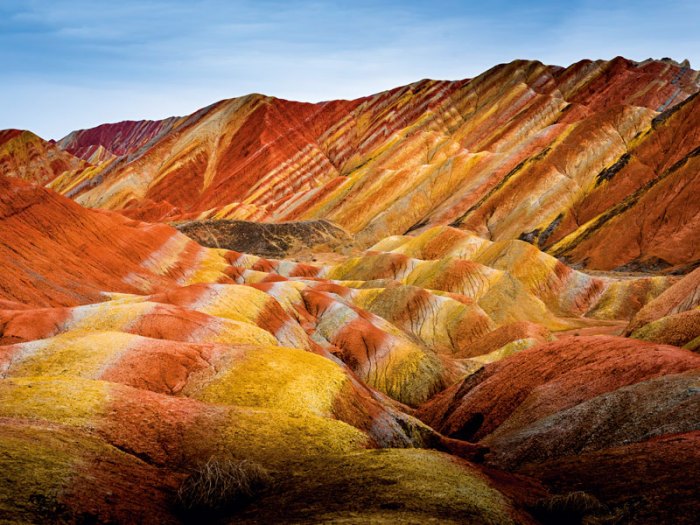
Planning a photography trip requires meticulous preparation to ensure a smooth and productive experience. Careful consideration of logistics, equipment, and potential challenges is crucial for maximizing your photographic opportunities and minimizing unforeseen setbacks. This section will Artikel essential tools and strategies to help you plan your photographic adventure.
Essential Travel Apps for Photographers
Utilizing the right apps can significantly enhance the efficiency and enjoyment of your photography trip. These applications provide essential tools for planning, navigation, and post-processing, ultimately improving your overall travel experience.
- Google Maps/Apple Maps: These are invaluable for navigation, especially in unfamiliar locations. Offline maps are crucial for areas with limited or no internet access, allowing you to pinpoint locations for optimal photography shots and plan routes efficiently.
- Photopills: This app helps photographers plan their shots by predicting the sun’s position, moon phases, and Milky Way visibility. It’s particularly useful for landscape and astrophotography, enabling you to determine the ideal time and location for capturing specific lighting conditions.
- Adobe Lightroom Mobile: This app allows for on-the-go editing and organization of your photos. You can perform basic edits, apply presets, and organize your images into collections, saving valuable time and ensuring your images are ready for sharing or further processing upon your return.
- SkyView Lite: This app identifies constellations, planets, and satellites in real-time, making it perfect for astrophotographers. It helps locate celestial objects and plan night photography shoots, taking advantage of specific astronomical events.
- WeatherPro: Accurate weather forecasting is critical for outdoor photography. This app provides detailed weather information, including precipitation, wind speed, and cloud cover, allowing you to plan your photography sessions around optimal conditions and avoid potential weather-related disruptions.
The Importance of Travel Insurance for Photographers
Travel insurance is not merely a suggestion; it’s a necessity, especially for photographers. The risk of damage or loss to expensive photographic equipment is significant, and insurance can mitigate these financial burdens.Comprehensive travel insurance should include coverage for lost, stolen, or damaged equipment. This includes cameras, lenses, drones, and other accessories. Consider policies that offer high coverage limits for equipment, as professional-grade gear can be exceptionally costly to replace.
Furthermore, policies should also cover medical emergencies, trip cancellations, and other unforeseen circumstances that might disrupt your photography trip. For example, a policy might cover the cost of replacing a damaged lens or the expenses associated with an emergency evacuation if you were injured in a remote location.
Sample Seven-Day Photography Itinerary: Iceland
This itinerary focuses on Iceland, a location rich in photographic opportunities. This is a sample and needs adjustments based on personal preferences and fitness levels.
| Day | Location | Photography Focus | Potential Challenges |
|---|---|---|---|
| 1 | Reykjavik & Blue Lagoon | Cityscapes, geothermal landscapes | Crowds at popular locations |
| 2 | Golden Circle (Thingvellir, Geysir, Gullfoss) | Waterfalls, geothermal features, tectonic plates | Variable weather conditions |
| 3 | South Coast (Seljalandsfoss, Skógafoss) | Waterfalls, black sand beaches | Long driving distances, unpredictable weather |
| 4 | Jökulsárlón glacier lagoon | Icebergs, wildlife (seals) | Changing light conditions, potential for cold temperatures |
| 5 | Skaftafell Nature Reserve | Glaciers, mountains, hiking trails | Physical exertion required for hiking |
| 6 | Vik i Myrdal & Reynisfjara black sand beach | Basalt columns, sea stacks, dramatic coastlines | Strong winds and waves |
| 7 | Return to Reykjavik | Cityscapes, farewell shots | Potential for flight delays |
Exploring Related Travel Aspects
Planning a photography-focused trip requires more than just choosing a destination; it involves understanding the resources available, connecting with like-minded individuals, and strategically managing travel logistics. This section delves into various aspects that enhance the photography travel experience, from leveraging online communities to optimizing travel deals and creating a comprehensive packing list.
Photography Travel Blogs: A Comparative Overview
Several blogs cater specifically to photographers planning trips. Understanding their differences in content focus and target audience can help you find the most relevant resources. Here are five examples, highlighting their unique approaches:
- Digital Photography School’s travel section: This blog offers a broad range of travel photography tips, tutorials, and destination guides, appealing to photographers of all skill levels, from beginners to advanced professionals. Their focus is on practical advice and improving photographic skills while traveling.
- Chasing Light Photography: This blog specializes in landscape photography and features stunning images from various locations around the world. Their target audience is primarily landscape photographers seeking inspiration and guidance on finding and capturing breathtaking scenes. The content leans towards showcasing advanced techniques and artistic approaches.
- Light Stalking: This blog covers a wide range of photography genres, including travel, and provides tutorials, interviews with renowned photographers, and gear reviews. It caters to a diverse audience interested in improving their photography skills regardless of their specialization. The tone is generally instructional and highly informative.
- The Travel Photographer: This blog is dedicated to travel photography and provides insights into planning, gear, and post-processing. It focuses on the business side of travel photography as well, offering advice on marketing and building a portfolio. The target audience is a mix of aspiring and established professional travel photographers.
- Trey Ratcliff’s Stuck in Customs: Known for its vibrant and visually stunning images, this blog showcases exotic and often less-visited locations. The content is highly visual, inspiring, and caters to photographers looking for unique and adventurous destinations. The focus is on the artistry and storytelling potential of travel photography.
Types of Travel Deals Beneficial to Photographers
Photographers often require more luggage space and potentially specialized equipment, impacting travel costs. Therefore, understanding beneficial travel deals is crucial.
- Package Deals: These deals often bundle flights, accommodation, and sometimes even tours or activities at a discounted rate. This can be particularly advantageous for photographers as it provides a cost-effective way to secure essential travel components. For example, a package deal including flights to a national park and accommodation near key photographic locations would save time and money compared to booking separately.
- Flight Discounts: Airlines often offer discounts for off-season travel or for booking flights in advance. Photographers can leverage these discounts by being flexible with their travel dates and planning their trips well ahead of time. Websites specializing in flight comparison tools can help find the best deals.
- Equipment Rental Deals: Renting photography equipment, especially specialized lenses or accessories, can significantly reduce the cost of carrying heavy gear on a trip. Many rental companies offer competitive rates and insurance, making it a financially sound option for photographers needing specific equipment for a limited time.
Creating a Photography Trip Packing List
A well-organized packing list is essential for a smooth and productive photography trip. Careful planning prevents forgotten essentials and ensures you have everything needed for successful shoots.
- Camera Body and Lenses: Include all necessary lenses for the intended photography style (e.g., wide-angle, telephoto, macro).
- Memory Cards and Batteries: Pack extra memory cards and fully charged batteries, considering the duration of the trip and potential power outages.
- Cleaning Kit: A blower brush, lens cleaning cloth, and sensor cleaning swabs are crucial for maintaining equipment cleanliness.
- Tripod: Essential for stable shots, especially in low-light conditions or when using long exposures.
- Laptop and External Hard Drive: For backing up images and basic editing on the go.
- Clothing: Pack layers suitable for the climate and planned activities. Comfortable walking shoes are a must.
- Toiletries and Medications: Include any necessary personal care items and prescription medications.
- Passport and Travel Documents: Ensure all necessary documents are organized and readily accessible.
- First-aid kit: Include essentials such as bandages, antiseptic wipes, and pain relievers.
- Adapter/Converter: If traveling internationally, ensure you have the correct adapter for your electronics.
Illustrative Examples
Choosing the right location for photography is crucial. The visual characteristics of a place – its light, color, and texture – profoundly impact the final image. These examples highlight how diverse environments offer unique photographic opportunities.
The Soft Light of a Lavender Field in Provence
Imagine a gently sloping field in the south of France, densely packed with rows of lavender. The light, especially during the golden hour (the hour after sunrise and before sunset), is soft and diffused, casting long shadows that stretch across the purple blooms. The color palette is dominated by various shades of purple, from deep violet to pale lilac, interspersed with the greens of the surrounding foliage and the warm ochre tones of the dry earth.
The texture is remarkably varied: the velvety softness of the lavender flowers contrasts sharply with the rough texture of the soil and the delicate, almost wispy, quality of the individual plants. This interplay of light, color, and texture creates a visually rich and captivating scene, ideal for capturing the essence of Provence. The air itself seems to hum with the scent, adding another layer to the photographic experience.
The Dramatic Cliffs of Moher, Ireland
The Cliffs of Moher offer a completely different photographic experience. Here, the light is often dramatic, with strong contrasts between light and shadow, especially on overcast days. The color palette is more subdued, featuring various shades of grey and brown in the cliffs themselves, punctuated by the deep blues and greens of the Atlantic Ocean crashing below. The textures are dramatic and powerful: the rugged, almost jagged, surface of the cliffs, the frothy white of the waves, and the smooth, glassy surface of the water when the sea is calm.
The sheer scale of the cliffs, the immensity of the ocean, and the powerful interplay of light and shadow contribute to a sense of awe and wonder that easily translates into compelling photographs. The windswept grasses clinging to the cliff edges add another layer of textural interest.
The Vibrant Streets of Chefchaouen, Morocco
Chefchaouen, the “blue pearl” of Morocco, is renowned for its intensely blue-washed buildings. The light here can be quite intense, especially during the midday sun, creating strong highlights and shadows that accentuate the unique architecture. The color palette is strikingly vibrant, dominated by various shades of blue, from deep indigo to sky blue, contrasted with the warm terracotta tones of the earth and the bright whites of some of the buildings.
The textures are varied, with the rough, almost stucco-like surfaces of the buildings contrasting with the smooth, worn stones of the narrow alleyways. The overall effect is one of intense visual stimulation, a feast for the eyes that lends itself well to capturing the unique atmosphere and charm of this Moroccan town. The interplay of light and shadow on the blue walls creates a depth and richness that is truly captivating.
Embarking on a photography-focused journey requires careful planning and a keen eye for detail. This guide has provided a framework for discovering unique destinations, mastering specific photographic techniques, and navigating the practical aspects of travel. Remember to prioritize safety, research your chosen locations thoroughly, and most importantly, enjoy the process of capturing the world’s beauty through your lens. May your photographic adventures be filled with inspiration and stunning results.
Frequently Asked Questions
What type of visa is typically required for photography trips?
Visa requirements vary significantly depending on your nationality and the destination country. Check the specific visa requirements well in advance of your trip on the relevant embassy or consulate website.
How do I protect my photography equipment during travel?
Use sturdy camera bags with good padding, consider investing in a hard case for air travel, and keep your equipment close to you at all times. Travel insurance covering equipment loss or damage is also highly recommended.
What are the best ways to learn advanced photography techniques?
Online courses, workshops, and mentorship programs are excellent resources. Practice regularly and experiment with different settings and compositions to refine your skills.
How can I find photography-focused tour groups?
Search online for photography tours or workshops in your chosen destinations. Many travel companies and organizations cater specifically to photographers, offering guided tours and expert instruction.


