
Embark on an unforgettable adventure through the vibrant tapestry of Southeast Asia. This comprehensive guide unravels the intricacies of backpacking across this diverse region, offering a practical roadmap for planning, budgeting, and navigating your journey. From bustling cities to serene beaches, ancient temples to lush jungles, we’ll equip you with the knowledge and tools to craft a truly immersive and rewarding experience.
We delve into every aspect of your Southeast Asian backpacking escapade, from meticulously crafting a detailed itinerary and budget to mastering the art of utilizing local transportation and securing safe, affordable accommodation. Discover the region’s culinary delights, immerse yourself in its rich cultures, and uncover hidden gems along the way. This guide is your passport to a seamless and unforgettable backpacking adventure.
Planning Your Southeast Asia Backpacking Trip
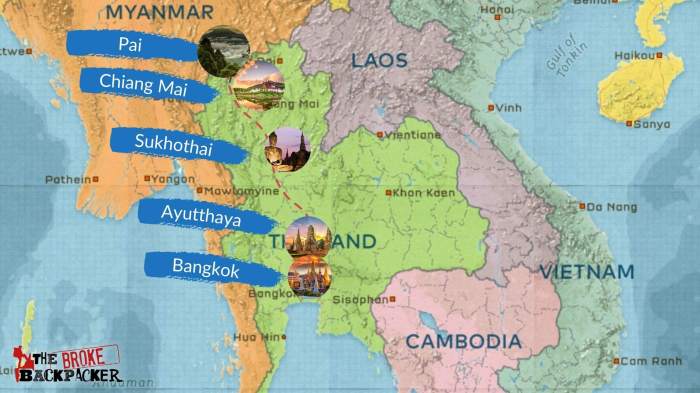
Embarking on a backpacking adventure through Southeast Asia requires careful planning to ensure a smooth and rewarding experience. This section Artikels key considerations for crafting your itinerary, budgeting your trip, securing necessary documentation, and choosing appropriate travel insurance. Thorough preparation will significantly enhance your journey and allow you to focus on enjoying the diverse cultures and breathtaking landscapes of the region.
Sample Three-Month Backpacking Itinerary
This itinerary provides a framework; adjust it based on your interests and pace. Remember to factor in travel time between destinations. Consider using budget airlines for inter-country travel and local buses or trains for shorter distances.
- Thailand (3 weeks): Begin in Bangkok (3 days), exploring its bustling markets and iconic temples. Then, head south to Krabi and Railay Beach (5 days) for stunning limestone cliffs and island hopping. Continue to Chiang Mai (7 days) in the north, experiencing elephant sanctuaries and exploring ancient ruins.
- Laos (2 weeks): Fly to Luang Prabang (5 days), a charming town known for its serene temples and beautiful natural surroundings. Travel south to Vang Vieng (4 days) for kayaking and exploring caves. Spend the remaining days in Vientiane, Laos’ capital city (3 days).
- Vietnam (4 weeks): Fly to Hanoi (3 days), exploring the Old Quarter and surrounding areas. Travel south to Ha Long Bay (2 days) for a cruise amidst stunning karst formations. Continue to Hoi An (5 days), a historic trading port with beautiful architecture and tailor shops. Spend time in Hue (3 days), exploring the Imperial Citadel. Finally, end your trip in Ho Chi Minh City (7 days), experiencing the vibrant city life and exploring its historical sites.
- Cambodia (4 weeks): Fly to Siem Reap (5 days), exploring the magnificent Angkor Wat and other temples of the Angkor complex. Spend time in Battambang (3 days), known for its bamboo train and colonial architecture. Continue to Phnom Penh (5 days), visiting the Royal Palace and Tuol Sleng Genocide Museum. Finally, enjoy the beaches of Sihanoukville (7 days) before departing from the region.
Budget Breakdown for a Three-Month Backpacking Trip
Budgeting is crucial for a successful backpacking trip. Costs can vary significantly depending on your travel style and choices. This is a rough estimate, and actual costs may differ.
| Category | Estimated Monthly Cost (USD) |
|---|---|
| Accommodation (hostels, guesthouses) | $300 |
| Food (local markets, street food) | $200 |
| Activities & Entrance Fees | $200 |
| Transportation (buses, trains, flights) | $300 |
| Miscellaneous (souvenirs, SIM card, etc.) | $100 |
| Total Estimated Monthly Cost | $1100 |
Note: This is a conservative estimate. You can travel more cheaply or spend more depending on your choices. Consider booking flights and accommodation in advance, especially during peak season, to secure better deals.
Essential Travel Documents and Vaccinations
Before your trip, ensure you have the necessary documents and vaccinations. Consult your doctor or a travel clinic well in advance for personalized advice.
- Passport (valid for at least six months beyond your travel dates)
- Visa (check visa requirements for each country you plan to visit)
- Copies of important documents (passport, visa, flight tickets, insurance)
- Travel insurance information
- International driver’s permit (if planning to rent a vehicle)
Recommended vaccinations often include Hepatitis A and B, Typhoid, and possibly others depending on your itinerary and health history. Consult a healthcare professional for a tailored vaccination plan.
Comparison of Travel Insurance Options
Choosing suitable travel insurance is paramount. Compare policies based on coverage, cost, and your specific needs. Look for policies that cover medical emergencies, trip cancellations, lost luggage, and personal liability. Consider the level of adventure activities you’ll be undertaking and choose a plan accordingly. Several reputable companies offer travel insurance specifically tailored for backpackers.
Review policy details carefully before purchasing.
Transportation in Southeast Asia
Southeast Asia offers a diverse range of transportation options, each with its own advantages and disadvantages concerning cost and travel time. Choosing the right mode of transport is crucial for a smooth and efficient backpacking experience. Factors to consider include distance, budget, comfort level, and the time constraints of your itinerary.
Modes of Transportation: A Comparison
Southeast Asia’s transportation network is a vibrant mix of land, sea, and air travel. Buses are the most common and often the cheapest option for intercity travel, particularly for shorter distances. Trains, while sometimes more expensive, offer a more comfortable and often faster journey, especially on longer routes. Flights are the quickest option for longer distances but significantly increase the overall cost.
Ferries are essential for island hopping and coastal travel, providing a unique and scenic journey. Within cities, options range from motorbikes and tuk-tuks to taxis and ride-hailing services like Grab.
| Mode of Transport | Cost | Travel Time | Comfort | Suitability |
|---|---|---|---|---|
| Bus | Low | Variable, often long | Variable, can be crowded and uncomfortable | Short to medium distances, budget travelers |
| Train | Medium | Moderate to fast | Moderate to high, depending on class | Medium to long distances, those seeking more comfort |
| Flight | High | Fast | High | Long distances, time-sensitive travelers |
| Ferry | Low to medium | Variable, can be long | Variable, often exposed to elements | Island hopping, coastal travel |
Using Public Transportation Effectively and Safely
Effective and safe use of public transport involves careful planning and awareness. Before embarking on a journey, research the available routes and schedules. Purchase tickets in advance, especially during peak seasons, to avoid delays and potential scams. When using buses and trains, keep your belongings secure and be mindful of your surroundings. Avoid traveling alone at night, especially in less populated areas.
In cities, utilize reputable ride-hailing services or clearly marked taxis to avoid overcharging or unsafe drivers. Learning a few basic phrases in the local language can also enhance your experience and improve communication with local transport providers.
Booking Transportation Online
Numerous online platforms facilitate booking flights, trains, and buses within Southeast Asia. Popular websites include 12Go.asia, Bookaway, and local airline websites such as AirAsia and Scoot. These platforms often offer competitive prices and allow for easy comparison of different options. When booking, double-check the details of your itinerary, including departure and arrival times, and ensure you have a printed or digital copy of your ticket.
Navigating with Local Transportation Apps
Several apps simplify navigating local transportation in various Southeast Asian countries. Grab is a widely used ride-hailing app across many countries, providing access to taxis, motorbike taxis, and car services. Other country-specific apps might offer more detailed information on bus and train routes and schedules. Before your trip, download and familiarize yourself with the relevant apps for your destinations.
These apps often provide real-time tracking of your ride, estimated arrival times, and secure payment options. Ensure your phone has sufficient data or consider purchasing a local SIM card for seamless navigation.
Accommodation Options
Choosing the right accommodation is crucial for a comfortable and budget-friendly backpacking trip through Southeast Asia. The region offers a diverse range of options, each with its own advantages and disadvantages, catering to various budgets and travel styles. Understanding these differences will help you make informed decisions and maximize your travel experience.
Comparison of Accommodation Types
Southeast Asia provides a wide spectrum of accommodation choices, each appealing to different preferences and budgets. Hostels offer a social atmosphere and cost-effectiveness, ideal for solo travelers or those seeking interaction. Guesthouses often provide a more private and local experience, sometimes with family-run operations offering personalized service. Budget hotels offer a balance between privacy and affordability, providing basic amenities like private rooms and bathrooms.
The best choice depends on your priorities – socializing, privacy, or a blend of both. For instance, a hostel in a bustling city might be ideal for meeting fellow travelers, while a guesthouse in a quieter rural area could offer a more immersive cultural experience. Budget hotels provide a good middle ground, offering a degree of privacy and comfort without the high price tag of a more luxurious establishment.
Finding and Booking Budget-Friendly Accommodation
Securing affordable accommodation is easily achievable through a combination of online platforms and local resources. Websites like Booking.com, Agoda, Hostelworld, and Airbnb offer extensive listings, allowing you to compare prices, read reviews, and book in advance. Remember to filter your search by price and amenities to find options that match your budget and needs. Many hostels and guesthouses also maintain their own websites or social media pages, allowing for direct bookings and potential discounts.
For a more spontaneous approach, consider exploring local options upon arrival. In many areas, you’ll find smaller guesthouses and homestays not listed on major booking platforms, often offering competitive rates and a unique cultural experience.
Tips for Finding Safe and Comfortable Accommodation
Prioritizing safety and comfort while backpacking is essential. Always read reviews carefully, paying attention to comments regarding cleanliness, security, and location. Check the location of the accommodation on a map, ensuring it’s in a safe and accessible area. Consider the proximity to public transportation and attractions. When booking online, verify the cancellation policy and read the fine print.
Upon arrival, inspect your room thoroughly for cleanliness and any potential safety hazards. Trust your instincts – if something feels off, don’t hesitate to look for alternative options. Communicating with the host or staff beforehand can also help alleviate concerns and ensure a smooth check-in process.
Average Accommodation Costs in Southeast Asia
| Country | Hostel (dorm bed) | Guesthouse (private room) | Budget Hotel (private room) |
|---|---|---|---|
| Thailand | $5-15 | $15-30 | $25-50 |
| Vietnam | $5-12 | $10-25 | $20-40 |
| Laos | $4-10 | $10-20 | $15-35 |
| Cambodia | $4-10 | $10-20 | $15-30 |
| Malaysia | $6-15 | $15-30 | $25-50 |
Food and Culture
Southeast Asia offers an unparalleled culinary adventure, a vibrant tapestry woven from diverse regional influences and centuries of tradition. From bustling street food stalls to elegant restaurants, the region’s gastronomic landscape is as varied and exciting as its geography. Understanding this food culture is key to a richer backpacking experience, allowing you to savor authentic flavors and connect with local life.
This section will explore the diverse culinary experiences, provide practical tips for safe and affordable eating, and highlight essential cultural etiquette to ensure a smooth and respectful journey.
Southeast Asian Culinary Diversity
Southeast Asia’s cuisine is a breathtaking mosaic of flavors, reflecting the region’s diverse ethnicities and geographical influences. Thailand is renowned for its spicy curries, fragrant rice dishes like Pad Thai, and the sweet and sour balance of many of its preparations. Vietnam boasts fresh spring rolls, flavorful pho, and the unique flavors of its central region. Malaysia offers a rich blend of Malay, Chinese, and Indian influences, resulting in dishes like Nasi Lemak and Char Kway Teow.
Indonesia’s culinary scene is equally diverse, with its signature dishes like Rendang and Gado-Gado showcasing the archipelago’s varied regional tastes. Each country presents a unique culinary journey, offering a seemingly endless array of tastes and textures. Street food, a ubiquitous feature across Southeast Asia, provides an inexpensive and authentic way to sample local delicacies. From satay skewers in Malaysia to banh mi sandwiches in Vietnam, street food offers a vibrant and delicious snapshot of the local culinary scene.
Safe and Affordable Eating
Eating safely and affordably while backpacking is crucial. Stick to well-populated street food stalls that have a high turnover of food – this indicates freshness. Look for places with plenty of customers; a busy stall is often a sign of good quality and hygiene. Avoid eating raw or undercooked foods, especially meat and seafood. Opt for dishes that are freshly cooked and steaming hot.
Bottled water is readily available and always preferable to tap water. Many street food vendors also offer fresh fruit juices, providing a refreshing and healthy option. Budget-conscious travelers can easily find delicious and satisfying meals for a few dollars. Street food represents one of the most affordable and authentic ways to experience Southeast Asian cuisine.
Cultural Etiquette and Customs
Understanding and respecting local customs is essential for a positive travel experience. In many Southeast Asian countries, removing your shoes before entering homes or temples is customary. Using your left hand for eating or handing objects is generally considered impolite in some cultures. Showing respect for Buddhist temples and religious sites is crucial; dress modestly and avoid loud or disruptive behavior.
It’s polite to greet people with a “wai” (a slight bow with hands pressed together) in Thailand and some other countries. Learning a few basic phrases in the local language can go a long way in showing respect and enhancing your interactions with locals. Observing local customs demonstrates respect and fosters positive interactions, contributing to a more enriching travel experience.
Essential Southeast Asian Phrases
Learning basic phrases can greatly enhance your interactions and show respect for the local culture. Here are some essential phrases in several common Southeast Asian languages:
- Thai: Sawasdee (Hello), khop khun (Thank you), mai pen rai (You’re welcome), chon (excuse me)
- Vietnamese: Xin chào (Hello), Cảm ơn (Thank you), Không có gì (You’re welcome), xin lỗi (excuse me)
- Malay: Selamat pagi (Good morning), Terima kasih (Thank you), Sama-sama (You’re welcome), Maaf (excuse me)
- Indonesian: Selamat pagi (Good morning), Terima kasih (Thank you), Sama-sama (You’re welcome), Maaf (excuse me)
These basic phrases, along with a genuine smile and open demeanor, will go a long way in making your interactions more pleasant and meaningful. Remember that even a few words in the local language can significantly enhance your experience.
Activities and Attractions
Southeast Asia offers an unparalleled diversity of experiences for the backpacking traveler. From bustling metropolises to serene beaches, ancient temples to towering mountains, the region caters to every interest. This section will highlight some of the top backpacking destinations, categorized by interest, along with suggested itineraries and unique cultural experiences. Planning your activities will significantly enhance your Southeast Asian adventure.
Top Backpacking Destinations by Interest
Southeast Asia’s diverse geography and rich history provide a wealth of options for backpackers. The following categorisation helps navigate the possibilities.
- Beaches: Thailand (Phuket, Krabi, Koh Phi Phi), Vietnam (Phu Quoc, Nha Trang), Malaysia (Langkawi, Tioman), Philippines (Boracay, El Nido).
- Temples and Ancient Sites: Cambodia (Angkor Wat, Siem Reap), Myanmar (Bagan, Mandalay), Thailand (Ayutthaya, Bangkok), Laos (Luang Prabang).
- Mountains and Trekking: Vietnam (Sapa, Ha Giang), Nepal (Annapurna, Everest Base Camp – while technically not in Southeast Asia, it’s a popular addition for many), Laos (Luang Namtha), Malaysia (Kinabalu National Park).
- Cities and Culture: Bangkok (Thailand), Hanoi (Vietnam), Kuala Lumpur (Malaysia), Singapore, Chiang Mai (Thailand), Luang Prabang (Laos).
Must-See Attractions and Activities
Each destination offers a unique array of attractions and activities.
- Thailand (Bangkok): Explore the Grand Palace, Wat Arun (Temple of Dawn), bustling Chatuchak Weekend Market, take a longtail boat trip along the Chao Phraya River, and experience the vibrant nightlife.
- Vietnam (Ha Long Bay): Cruise through the stunning limestone karsts of Ha Long Bay, kayak through hidden caves, and enjoy the breathtaking scenery.
- Cambodia (Angkor Wat): Witness the sunrise over the magnificent Angkor Wat temple complex, explore the other temples of Angkor, and learn about the Khmer Empire’s history.
- Malaysia (Kuala Lumpur): Visit the iconic Petronas Twin Towers, explore the Batu Caves, experience the diverse culinary scene, and wander through the city’s vibrant markets.
Suggested Itinerary: Exploring Popular Destinations
A suggested two-week itinerary could include:
- Bangkok, Thailand (3 days): Fly into Bangkok’s Suvarnabhumi Airport (BKK). Explore temples, markets, and enjoy the city’s vibrant atmosphere. Expect bustling streets and delicious street food.
- Siem Reap, Cambodia (4 days): Fly from Bangkok to Siem Reap (REP). Explore the Angkor Wat temple complex and other ancient ruins. Expect hot and humid weather.
- Luang Prabang, Laos (3 days): Fly from Siem Reap to Luang Prabang (LPQ). Visit stunning temples, explore the Kuang Si Falls, and experience the laid-back atmosphere. Expect a slower pace of life.
- Hanoi, Vietnam (3 days): Fly from Luang Prabang to Hanoi (HAN). Explore the Old Quarter, visit Hoan Kiem Lake, and sample delicious Vietnamese cuisine. Expect busy streets and motorbikes.
- Ha Long Bay, Vietnam (2 days): Travel from Hanoi to Ha Long Bay (approx. 3-hour drive). Cruise through the bay, kayak, and enjoy the stunning scenery. Expect boat trips and beautiful landscapes.
- Departure: Fly out from Hanoi (HAN).
Unique Cultural Experiences in Southeast Asia
Southeast Asia offers a rich tapestry of cultural experiences.
- Songkran Festival (Thailand): Participate in the water festival celebrating the Thai New Year.
- Loy Krathong (Thailand & Laos): Release floating lanterns on the water during this beautiful festival.
- Tet (Vietnam): Celebrate the Vietnamese New Year with vibrant festivities and traditional foods.
- Traditional Thai Massage: Indulge in a relaxing and therapeutic massage.
- Cooking Classes: Learn to prepare delicious Southeast Asian dishes.
- Attend a Traditional Dance Performance: Witness the grace and beauty of Southeast Asian dance traditions.
Travel Resources and Tools
Navigating Southeast Asia as a backpacker requires more than just a map and a sense of adventure. Leveraging the right resources and tools can significantly enhance your experience, making your journey smoother, safer, and more budget-friendly. This section Artikels essential apps, websites, and strategies to help you plan and execute your backpacking adventure.
Helpful Travel Apps for Backpacking in Southeast Asia
Smartphones have become indispensable travel companions, and several apps cater specifically to the needs of backpackers in Southeast Asia. These apps offer solutions for navigation, communication, and booking services, allowing you to manage your trip efficiently.
- Navigation: Google Maps remains a reliable choice, offering offline map downloads for areas with limited internet access. Maps.me is another excellent offline map option, particularly useful in more remote regions.
- Translation: Google Translate is a must-have for overcoming language barriers. Its camera translation feature is particularly helpful for menus and signs. Consider also downloading a phrasebook app specific to the languages you’ll encounter.
- Booking: Booking.com, Agoda, and Hostelworld are popular platforms for finding and reserving accommodation, ranging from budget-friendly hostels to mid-range hotels. Grab and Gojek are essential for booking rides and transportation within cities.
- Currency Conversion: XE Currency Converter provides real-time exchange rates, ensuring you get the best value for your money. Many banking apps also offer currency conversion features.
Reputable Travel Blogs and Online Forums
Before embarking on your journey, research and familiarize yourself with reliable sources of information about your destinations. Travel blogs and forums offer firsthand accounts, tips, and insights from fellow backpackers.
- The Broke Backpacker: This blog focuses on budget travel, offering practical advice and destination guides for Southeast Asia.
- Nomad List: While not exclusively focused on Southeast Asia, Nomad List provides data on cost of living and other practical information for digital nomads and long-term travelers in various locations, including many in Southeast Asia.
- Reddit’s r/travel and r/solotravel: These subreddits offer a wealth of information and advice from experienced travelers, including those who have backpacked through Southeast Asia. You can find answers to specific questions and read trip reports.
Finding and Utilizing Travel Deals and Discounts
Budgeting is key to backpacking, and utilizing various strategies can significantly reduce your expenses.
Flights: Websites like Skyscanner, Google Flights, and Kayak allow you to compare prices from multiple airlines and find the best deals. Consider flying during the off-season or on weekdays for cheaper fares. Be flexible with your travel dates, as prices often fluctuate.
Accommodation: Hostelworld and Booking.com often offer discounts and promotions. Consider staying in hostels, guesthouses, or homestays instead of hotels to save money. Look for deals on websites like Agoda.
Activities: Many tour operators and activity providers offer discounts for group bookings or online purchases. Check local tourism websites and social media pages for deals and promotions.
Travel Insurance for Backpacking Trips
Comprehensive travel insurance is crucial for protecting yourself against unforeseen circumstances during your backpacking adventure. It provides financial security in case of medical emergencies, lost belongings, trip cancellations, or other unexpected events.
Choosing the right plan depends on your individual needs and the length of your trip. Consider factors such as the level of medical coverage, emergency medical evacuation, lost luggage coverage, and trip cancellation protection. Compare quotes from different providers before making a decision. Ensure the policy covers activities you plan to undertake, such as trekking or water sports.
It is recommended to obtain a policy that covers medical expenses, including emergency evacuation, as medical care can be expensive in some parts of Southeast Asia. Consider adding coverage for lost or stolen belongings, as well as trip cancellation or interruption.
Safety and Security
Southeast Asia, while incredibly welcoming and beautiful, presents certain safety concerns for backpackers. Understanding these potential risks and taking proactive measures is crucial for a smooth and enjoyable trip. This section Artikels common safety issues and offers practical advice on protecting yourself and your belongings.
Common Safety Concerns and Preventative Measures
Petty theft, scams, and transportation accidents are among the most prevalent safety concerns for travelers in Southeast Asia. Pickpocketing is common in crowded tourist areas, while scams targeting unsuspecting backpackers can range from inflated prices to fake tours. Road safety can also be a significant issue, particularly on motorbikes or buses. To mitigate these risks, it’s advisable to remain vigilant in crowded areas, avoid displaying large amounts of cash, and use reputable transportation services.
Thoroughly research tours and activities beforehand, and always be aware of your surroundings. Consider travel insurance that covers medical emergencies and lost belongings. Learning a few basic phrases in the local language can also enhance your interactions and reduce the likelihood of misunderstandings.
Protecting Belongings and Staying Safe in Crowded Areas
Protecting your valuables in bustling markets and crowded transportation hubs requires a multi-layered approach. Use secure bags with zippers and hidden compartments. Keep your passport and other important documents separate from your main belongings, ideally in a money belt or neck pouch. Avoid displaying expensive jewelry or electronics openly. In crowded areas, maintain a high level of awareness, be mindful of your surroundings, and keep a close eye on your bags.
Consider using a backpack with anti-theft features. If possible, travel with a buddy and look out for each other.
Handling Emergencies While Traveling in Southeast Asia
Knowing how to respond to emergencies is paramount. Familiarize yourself with local emergency numbers and the location of the nearest hospital or police station. If you experience a medical emergency, seek immediate medical attention. Report any theft or assault to the local authorities and your embassy or consulate. Maintain copies of your passport, travel insurance information, and other important documents in a separate location, ideally in a cloud-based storage service or with a trusted contact back home.
Having a detailed itinerary shared with someone at home can also be beneficial in case of unforeseen circumstances.
Emergency Contact Numbers and Resources
Please note that emergency numbers and resources can change, so it is always advisable to verify this information with your embassy or consulate or through reliable online resources before your trip. This list is for informational purposes only and should not be considered exhaustive.
Thailand: Police – 191, Tourist Police – 1155, Emergency Medical Services – 1669
Vietnam: Police – 113, Emergency Medical Services – 115
Cambodia: Police – 117, Emergency Medical Services – 119
Laos: Police – 191, Emergency Medical Services – 166
Malaysia: Police – 999, Emergency Medical Services – 999
Singapore: Police – 999, Emergency Medical Services – 995
Philippines: Police – 117, Emergency Medical Services – 911
Indonesia: Police – 110, Emergency Medical Services – 118/119
Packing Essentials
Packing for a backpacking trip through Southeast Asia requires careful consideration of the diverse climates and activities you’ll encounter. Balancing practicality with minimizing weight is key to a comfortable and enjoyable journey. This section Artikels essential items, smart packing strategies, and tips for choosing appropriate clothing and footwear.
Essential Packing List
A well-organized packing list is crucial for stress-free travel. This list provides a solid foundation, adaptable to your specific itinerary and preferences. Remember to check visa requirements and any airline baggage restrictions before you leave.
- Clothing: Lightweight and quick-drying clothing is essential. Pack versatile items that can be mixed and matched. Consider: 2-3 pairs of quick-drying hiking pants or shorts, 4-5 breathable t-shirts, 1-2 long-sleeved shirts for sun protection and cooler evenings, 1 light fleece jacket or sweater, 1 light rain jacket, 1 pair of comfortable walking shoes, 1 pair of sandals or flip-flops, underwear and socks (enough for several days), swimwear.
- Toiletries: Pack travel-sized toiletries to save space and weight. Include: biodegradable soap or shampoo, sunscreen (high SPF), insect repellent (DEET-based recommended), toothbrush and toothpaste, any necessary medications (with prescriptions), first-aid kit (band-aids, antiseptic wipes, pain relievers).
- Documents and Money: Keep important documents safe and organized. This includes: passport (with extra copies), visa (if required), flight/bus tickets (printed and digital copies), travel insurance information, credit cards, some local currency, and a photocopy of your passport and other important documents stored separately from the originals.
- Electronics: Choose lightweight and versatile electronics. This might include: smartphone (with international roaming or a local SIM card), portable charger, universal adapter, small flashlight or headlamp.
- Other Essentials: A small backpack or daypack for daily excursions, a reusable water bottle, a microfiber towel (quick-drying and compact), a padlock for securing your luggage, a basic sewing kit, a sarong (versatile for various purposes), a book or e-reader for downtime.
Essential Travel Gadgets
Certain gadgets can significantly enhance your backpacking experience, improving efficiency and convenience.
- Portable Charger: Essential for keeping your devices charged on the go, especially in areas with limited access to power outlets.
- Universal Adapter: Southeast Asia uses a variety of plug types, so a universal adapter is crucial for charging your electronics.
- Headlamp or Flashlight: Useful for navigating dark streets or campsites.
- Travel Water Purifier: Ensures access to safe drinking water, particularly important in remote areas.
- Travel-Sized First-Aid Kit: A well-stocked kit can handle minor injuries and ailments.
Efficient Packing Techniques
Efficient packing minimizes weight and maximizes space.
Roll your clothes instead of folding them to save space and prevent wrinkles. Use packing cubes to organize your belongings and compress your clothing. Utilize every available space in your backpack, filling smaller items into gaps. Consider a lightweight backpack with good compression straps. Weigh your backpack before you leave to ensure you’re within airline limits.
Appropriate Clothing and Footwear
Southeast Asia’s climate varies significantly, so choosing appropriate clothing is crucial.
Lightweight, breathable fabrics like cotton and linen are ideal for hot and humid weather. Pack quick-drying clothes to avoid discomfort. Long-sleeved shirts and pants offer sun protection. A light rain jacket is essential for unexpected showers. Comfortable walking shoes are a must, and sandals or flip-flops are useful for warmer climates.
Consider packing a pair of lighter shoes for evenings or situations where walking shoes might be too bulky.
Backpacking through Southeast Asia promises an unparalleled journey of discovery, a vibrant blend of cultural immersion and thrilling exploration. This guide has provided a framework for planning and executing a successful trip, equipping you with the necessary knowledge to navigate the region’s diverse landscapes and cultures. Remember to embrace spontaneity, savor the unexpected, and create memories that will last a lifetime.
Safe travels and happy adventures!
Essential FAQs
What vaccinations are absolutely necessary for Southeast Asia?
Consult your doctor; recommended vaccinations vary based on your itinerary and personal health history. Typhoid, Hepatitis A & B are commonly advised.
How much money should I budget per day?
Daily budgets vary widely depending on your travel style. A realistic range is $25-$75 USD per day, but you can travel cheaper or more luxuriously.
Is it safe to drink tap water?
Generally, no. Stick to bottled water to avoid potential illness. Ice in drinks should also be treated with caution.
What’s the best time to visit Southeast Asia?
The best time depends on your destination and preferences. Generally, avoid monsoon season (varies by region).
How do I stay connected while backpacking?
Purchase a local SIM card upon arrival for affordable data and calls. Consider a portable WiFi device for consistent connectivity.


