
Escape to the enchanting world of German Christmas markets this winter! Imagine strolling through charming towns, the air filled with the aroma of roasted nuts and Glühwein, surrounded by twinkling lights and handcrafted treasures. This guide unveils the magic of five exceptional Christmas markets, offering a curated selection of festive experiences, practical travel tips, and insider knowledge to make your German winter getaway truly unforgettable.
We’ll explore everything from the best time to visit and transportation options to accommodation choices, culinary delights, and nearby attractions, ensuring a seamless and magical journey.
From the historical charm of Nuremberg to the romantic ambiance of Dresden, each market boasts a unique character and festive atmosphere. We’ll delve into the sensory experiences, highlighting the sights, sounds, and smells that define these magical events. Beyond the markets, we’ll uncover nearby winter wonders, providing suggestions for day trips and activities to enrich your experience. Practical information on budgeting, packing essentials, and utilizing travel resources will complete your preparation, ensuring a stress-free and memorable adventure.
A Magical German Christmas Market Winter Getaway
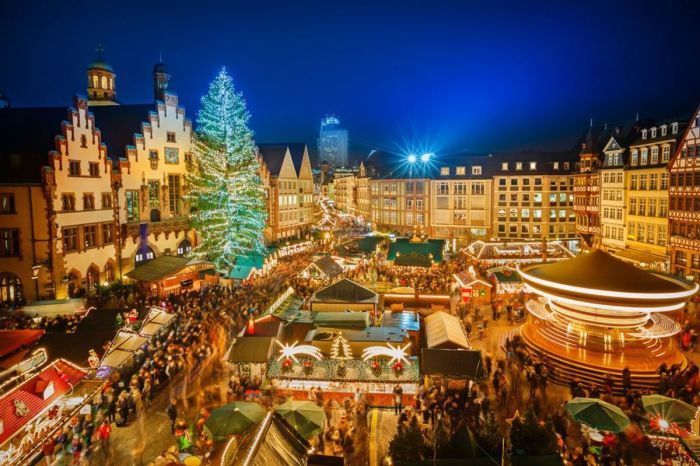
Imagine stepping into a world where twinkling lights dance on snow-dusted rooftops, the air is thick with the aroma of roasted almonds and Glühwein (mulled wine), and handcrafted treasures beckon from charming wooden stalls. This is the magic of a German Christmas market, an experience unlike any other. Germany’s Christmas markets are renowned worldwide, but their unique charm sets them apart.
They offer a deeper immersion into the spirit of the season, a blend of centuries-old traditions and modern festive cheer, creating an atmosphere that’s both enchanting and authentic. This guide will take you on a journey through some of the most captivating Christmas markets in Germany, highlighting their unique offerings and providing practical tips for planning your winter escape.This article will explore several of Germany’s most enchanting Christmas markets, detailing their specific highlights and what makes each one special.
We’ll delve into the unique atmosphere of each market, the types of crafts and food available, and provide logistical information to help you plan your visit. We’ll also offer suggestions for maximizing your experience, ensuring your German Christmas market adventure is truly unforgettable.
The Unique Allure of German Christmas Markets
German Christmas markets, orWeihnachtsmärkte*, are more than just festive shopping destinations; they are deeply rooted in centuries of tradition. Unlike many modern Christmas markets that focus primarily on commercial aspects, German markets prioritize the preservation of cultural heritage. This is evident in the handcrafted goods, traditional food and drink, and the overall atmosphere of warmth and community. Many markets feature artisan crafts passed down through generations, from intricately carved wooden toys to delicate glass ornaments and beautifully woven textiles.
The emphasis is on quality, authenticity, and the experience of interacting with the artisans themselves. The aroma of gingerbread, Lebkuchen (gingerbread cookies), and roasted chestnuts fills the air, while the sounds of carols and festive music create a magical ambiance. This rich tapestry of sights, sounds, and smells contributes to the unparalleled charm of a German Christmas market.
Top Christmas Markets to Visit
Before delving into specific market details, it’s important to understand the factors that contribute to a truly memorable experience. Choosing the right market depends on individual preferences, but factors such as size, location, special features, and accessibility should be considered. Some markets are large and bustling, offering a wide array of goods and activities, while others are smaller and more intimate, providing a more tranquil atmosphere.
The location of the market also plays a role, with some situated in historic city squares, offering stunning backdrops, and others nestled in charming villages, providing a more secluded experience. Special features, such as ice skating rinks, live performances, or themed areas, can enhance the overall experience. Finally, accessibility considerations, including proximity to transportation and accommodation options, are crucial for a smooth and enjoyable visit.
Nuremberg Christmas Market: A Classic Experience
The Nuremberg Christmas Market, one of Germany’s oldest and most famous, is a quintessential example of a traditional German Christmas market. Held annually in the heart of Nuremberg’s historic city center, the market boasts hundreds of stalls offering a wide array of handcrafted goods, from traditional Nuremberg gingerbread (Lebkuchen) to intricately carved wooden toys. The market’s atmosphere is characterized by its charming wooden stalls, the scent of roasting nuts and spiced wine, and the festive sounds of carols and traditional music.
Visitors can enjoy a range of festive treats, including Glühwein, roasted almonds, and various types of gingerbread. The market’s central location makes it easily accessible, and its popularity ensures a lively and festive atmosphere throughout the season. The market’s longevity and enduring popularity are a testament to its charm and enduring appeal. The elaborate decorations, the quality of the handicrafts, and the overall festive atmosphere combine to create a truly magical experience.
Top 5 Christmas Markets
Germany boasts a plethora of enchanting Christmas markets, each offering a unique festive experience. Narrowing down the choices is a delightful challenge, but these five markets consistently rank among the best, offering a blend of tradition, charm, and festive cheer. Their popularity stems from a combination of historical significance, unique crafts, and the overall atmosphere of magic they create.
These markets are more than just shopping destinations; they are immersive cultural experiences.
A Curated Selection of Germany’s Finest Christmas Markets
The following table provides an overview of five exceptional German Christmas markets, highlighting their key features and historical context. Each market offers a distinct atmosphere and a unique opportunity to experience the magic of a German Christmas. Consider the location, dates, and historical background when planning your festive getaway.
| Market Name | Location | Dates (Approximate – Check Official Sites for Updates) | Brief History & Unique Features |
|---|---|---|---|
| Nuremberg Christkindlesmarkt | Nuremberg, Bavaria | Late November – Late December | One of Germany’s oldest and most famous Christmas markets, dating back to the 16th century. Known for its traditional Nuremberg gingerbread (Lebkuchen), handcrafted toys, and the Christkind (Christ Child) who officially opens the market. The market’s setting within the historic city center adds to its charm. |
| Dresden Striezelmarkt | Dresden, Saxony | Late November – Late December | Another historically significant market, dating back to 1434. Famous for its giant Stollen (a traditional fruitcake) and its beautiful setting on the Altmarkt square. The market’s long history and traditional crafts make it a truly authentic experience. |
| Cologne Christmas Markets | Cologne, North Rhine-Westphalia | Late November – Late December (Multiple Markets Across the City) | Cologne boasts several Christmas markets, each with its own unique character. These markets offer a diverse range of crafts, food, and entertainment, spread across different locations in the city. The combination of multiple markets offers a wide variety of experiences. |
| Munich Christmas Markets | Munich, Bavaria | Late November – Late December (Multiple Markets Across the City) | Similar to Cologne, Munich features several Christmas markets, each with its own distinct atmosphere and offerings. From traditional crafts to modern designs, the markets cater to diverse tastes. The markets are often accompanied by festive events and activities. |
| Stuttgart Christmas Market | Stuttgart, Baden-Württemberg | Late November – Late December | Known for its large size and diverse range of offerings, this market is located in the heart of Stuttgart. It’s a great place to find unique gifts and enjoy traditional German food and drinks. The market often features a beautiful Christmas tree and ice-skating rink. |
Immersive Experiences at Each Market
Exploring Germany’s Christmas markets offers more than just shopping; it’s a journey for the senses, a deep dive into centuries-old traditions, and a chance to create memories that will last a lifetime. Each market boasts a unique atmosphere, shaped by its location, history, and the spirit of the season. The following details illustrate the captivating sensory experiences awaiting you at five of Germany’s most enchanting Christmas markets.
Nuremberg Christmas Market: A Sensory Symphony of Tradition
The Nuremberg Christkindlesmarkt is renowned for its traditional crafts and the aroma of Lebkuchen (gingerbread). Visitors can immerse themselves in the sights of intricately carved wooden toys, the sounds of carols sung by local choirs, and the comforting smells of roasted almonds and Glühwein (mulled wine). Three memorable experiences include witnessing the Christkind (Christ Child) ceremony, participating in a Lebkuchen baking workshop, and enjoying a traditional Nuremberg sausage with mustard while soaking in the festive atmosphere.
The market’s atmosphere is one of old-world charm, a tapestry woven from the centuries-old traditions and the joyful energy of the crowds. The sights are a feast for the eyes, with handcrafted ornaments glistening under the twinkling lights, the sounds are a blend of festive music and happy chatter, and the smells are a comforting mix of spice, roasted nuts, and warm wine.
Dresden Striezelmarkt: History and Holiday Cheer
Dresden’s Striezelmarkt, Germany’s oldest Christmas market, offers a unique blend of history and holiday cheer. Three standout experiences include admiring the towering pyramidal Christmas pyramid, sampling the famous Stollen (fruitcake), and exploring the market’s historic setting in the shadow of Dresden’s Frauenkirche. The market’s atmosphere is steeped in history, a palpable sense of tradition mingling with the excitement of the season.
The sights include the impressive Christmas pyramid and the elegantly decorated stalls, the sounds encompass the gentle clinking of mugs and lively conversations, and the smells are dominated by the rich aroma of Stollen and the spicy scent of Glühwein.
Munich Christmas Markets: A City-Wide Celebration
Munich boasts several Christmas markets, each with its own character. Three memorable experiences could include exploring the Marienplatz market with its towering Christmas tree, visiting the Tollwood Winter Festival for its eclectic mix of arts and crafts, and enjoying a horse-drawn carriage ride through the city center. The overall atmosphere is one of vibrant energy and festive cheer, a celebration that permeates the entire city.
The sights vary from market to market, but generally feature glittering lights and festive decorations, the sounds are a lively mix of music, chatter, and laughter, and the smells are a delightful combination of traditional treats and seasonal spices.
Cologne Christmas Markets: A Multi-Market Experience
Cologne offers several Christmas markets, each with its distinct charm. Three unique experiences include visiting the Cologne Cathedral Christmas Market for its stunning backdrop, exploring the market at Rudolfplatz for its artisanal crafts, and enjoying a boat trip along the Rhine River to view the illuminated city. The atmosphere varies slightly from market to market, but generally conveys a sense of bustling energy and festive warmth.
The sights are filled with illuminated stalls and festive displays, the sounds include carols, chatter, and the lively sounds of the city, and the smells are a delicious mix of traditional German treats and festive beverages.
Stuttgart Christmas Market: A Fairytale Setting
Stuttgart’s Christmas market is known for its enchanting atmosphere and its impressive Christmas tree in front of the Neues Schloss (New Palace). Three memorable experiences would include admiring the magnificent Christmas tree, visiting the market’s charming wooden stalls, and enjoying a traditional Swabian meal. The atmosphere is magical and fairytale-like, a captivating blend of tradition and festive joy. The sights are dominated by the towering Christmas tree and the beautifully decorated stalls, the sounds are a gentle blend of festive music and happy chatter, and the smells are a comforting mix of traditional food and seasonal treats.
Travel Resources
Planning a trip to Germany’s enchanting Christmas markets requires careful consideration of various travel resources to ensure a smooth and enjoyable experience. From finding the best flight deals to navigating unfamiliar cities, utilizing the right tools can significantly enhance your journey. This section explores essential resources to help you plan and execute your magical German Christmas market adventure.
Efficient travel planning hinges on leveraging a variety of resources. These range from online platforms offering competitive flight and accommodation deals to mobile applications providing real-time information and navigation assistance. Additionally, travel blogs and forums offer valuable insights from fellow travelers, enriching your pre-trip preparation and on-the-ground experience.
Travel Deal Websites and Apps
Numerous websites and apps specialize in aggregating travel deals, allowing you to compare prices from different airlines and accommodation providers. Popular options include Skyscanner, Kayak, Google Flights, and Expedia. These platforms often offer price alerts and personalized recommendations, helping you find the best value for your money. Skyscanner, for example, excels at finding budget-friendly flights by allowing searches for flexible dates and nearby airports.
Kayak, on the other hand, is known for its comprehensive comparison tool, enabling side-by-side price comparisons across various providers.
Reliable Travel Apps
Travel apps have become indispensable tools for modern travelers. Popular options include Citymapper for navigating public transportation, Google Translate for overcoming language barriers, and Booking.com for securing accommodations. Citymapper provides detailed real-time information on bus, train, and subway schedules, ensuring you can easily reach your destination. Google Translate, with its offline functionality, proves particularly useful when exploring smaller towns or villages where English might not be widely spoken.
Booking.com, with its user reviews and detailed property information, helps you select suitable accommodations based on your preferences and budget.
Travel Blogs and Forums
Travel blogs and forums offer a wealth of firsthand experiences and practical advice from fellow travelers. Blogs often provide detailed itineraries, restaurant recommendations, and insights into local customs and etiquette. Forums allow you to ask questions and receive responses from individuals who have already visited the destinations you’re planning to explore. Reading travel blogs before your trip can help you avoid common pitfalls and discover hidden gems.
For example, a blog might highlight lesser-known Christmas markets or provide tips on navigating crowded areas during peak season.
Travel Insurance
Securing comprehensive travel insurance is crucial for mitigating unforeseen circumstances. Medical emergencies, lost luggage, and trip cancellations can incur significant costs. Travel insurance provides financial protection, offering peace of mind throughout your journey. A good policy should cover medical expenses, emergency repatriation, lost or stolen belongings, and trip cancellations due to unforeseen events. It’s advisable to carefully review the policy details and ensure adequate coverage for your specific needs and travel plans.
Consider the potential costs associated with medical treatment in Germany, which can be substantial, when selecting a policy.
Essential Travel Gadgets
Certain travel gadgets can significantly enhance your trip. A portable charger is essential for keeping your devices powered throughout the day, especially when exploring Christmas markets and using navigation apps. A universal travel adapter allows you to charge your electronics in Germany, which uses a different plug type than many other countries. A noise-canceling headset can provide respite from the bustling atmosphere of crowded markets and long journeys.
A good quality camera, of course, is essential for capturing the magic of the Christmas markets.
Budgeting for Your Trip
Planning a trip to Germany, especially during the peak Christmas market season, requires careful budgeting. Costs can vary significantly depending on your travel style and choices, but with some smart planning, you can enjoy a magical Christmas market experience without breaking the bank. This section will provide a realistic overview of potential expenses and offer practical tips to manage your budget effectively.
Average Costs for a 5-Day Trip to Germany
The following figures represent average costs for a 5-day trip to Germany during the winter, focusing on visiting Christmas markets. These are estimates and can fluctuate based on your choices and the specific cities you visit. Prices are presented in Euros (€).
| Expense Category | Budget Level: Low (€) | Budget Level: Mid (€) | Budget Level: High (€) |
|---|---|---|---|
| Accommodation (5 nights) | 250 (hostels, budget hotels) | 500 (mid-range hotels, guesthouses) | 1000 (boutique hotels, luxury accommodations) |
| Food (5 days) | 200 (street food, budget restaurants) | 400 (mix of restaurants and self-catering) | 800 (fine dining, frequent restaurant meals) |
| Transportation (flights, trains, local transport) | 200 (budget airlines, regional trains, public transport) | 400 (combination of flights and trains, occasional taxis) | 600 (flights, high-speed trains, taxis) |
| Activities & Entrance Fees (Christmas markets, museums etc.) | 50 (mostly free markets, limited paid activities) | 150 (entry fees to some attractions, occasional paid events) | 300 (multiple paid attractions, special events, tours) |
| Miscellaneous (souvenirs, incidentals) | 50 | 100 | 200 |
| Total Estimated Cost | 750 | 1550 | 3000 |
Tips for Saving Money
Consider traveling during the shoulder season (just before or after the peak Christmas market period) for potentially lower prices on flights and accommodation. Booking flights and accommodation in advance, especially during peak season, is crucial to securing the best deals. Utilize budget airlines and consider traveling by train instead of flying between cities within Germany. Taking advantage of free activities, such as exploring Christmas markets and walking tours, significantly reduces costs.
Packing snacks and some meals can also help control food expenses. Look for free walking tours in major cities; many offer a fantastic way to explore without spending a fortune. Finally, consider purchasing a city pass if you plan to use public transportation extensively, as it can often be more cost-effective than purchasing individual tickets.
Your journey through Germany’s captivating Christmas markets awaits! This guide has equipped you with the knowledge and resources to plan a truly magical winter escape. From the curated selection of markets and immersive experiences to practical travel tips and budget considerations, we hope this has inspired you to create unforgettable memories amidst the festive charm and winter wonderland of Germany.
So, pack your bags, embrace the festive spirit, and prepare for an enchanting adventure.
Detailed FAQs
What’s the best time to visit German Christmas markets?
Most markets open in late November and close in late December. The optimal time is usually the first two weeks of December for peak atmosphere but fewer crowds.
How much should I budget for a trip to a German Christmas market?
Budget varies greatly depending on travel style and duration. A 5-day trip could range from €500-€1500 per person, excluding flights.
Are German Christmas markets family-friendly?
Absolutely! Many markets offer children’s activities, carousel rides, and family-friendly entertainment.
What language is spoken in Germany?
German, but English is widely spoken in tourist areas.
What kind of clothing should I pack for a winter trip to Germany?
Pack warm layers including a waterproof coat, hat, gloves, scarf, and comfortable, waterproof shoes.


