
Escape the tourist trail and discover the allure of unexplored territories. This exploration delves into the art of crafting compelling travel blogs focused on off-the-beaten-path destinations. We’ll uncover strategies for identifying unique locations, developing engaging content, building a loyal audience, and effectively monetizing your blog. From sustainable tourism practices to mastering captivating photography, this guide provides a comprehensive roadmap for success in this niche travel blogging market.
We’ll examine various blog post formats, including narrative travelogues, practical guides, and photo essays, offering practical tips on creating visually stunning content that resonates with readers. Furthermore, we’ll discuss effective audience engagement techniques, monetization strategies such as affiliate marketing and sponsored posts, and the creation of a robust social media presence to amplify your reach and impact.
Identifying Undiscovered Gems
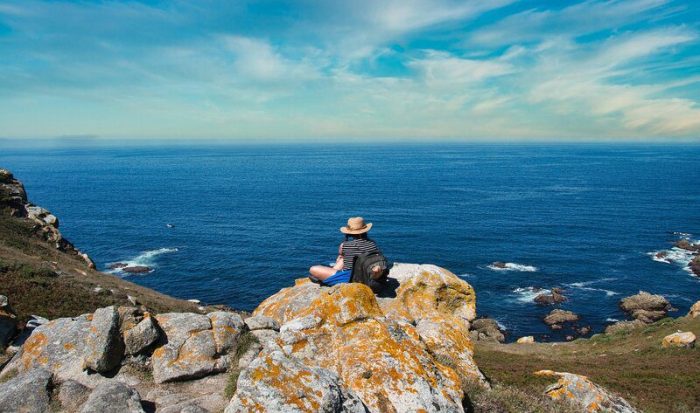
Discovering off-the-beaten-path destinations offers a unique opportunity to experience the world’s diverse cultures and breathtaking landscapes without the crowds. These hidden gems provide a more authentic and immersive travel experience, allowing for deeper connections with local communities and a greater appreciation for the planet’s natural beauty. However, responsible travel is paramount to ensure these locations remain unspoiled for future generations.
Ten Lesser-Known Travel Destinations
The following table highlights ten lesser-known destinations, showcasing their unique features and explaining why they remain relatively undiscovered. These are just a few examples; countless other hidden gems await discovery across the globe.
| Destination | Country | Unique Feature | Why it’s Undiscovered |
|---|---|---|---|
| Socotra Island | Yemen | Alien-like flora and fauna, unique biodiversity | Political instability and limited infrastructure |
| Raja Ampat Islands | Indonesia | Exceptional marine biodiversity, world-class diving | Relatively remote location, requiring more effort to reach |
| Salar de Uyuni | Bolivia | Largest salt flat in the world, stunning landscapes | High altitude and challenging access |
| Fly Geyser | Nevada, USA | Vibrantly colored geothermal geyser, unique geological formation | Located on private land, requiring specific permissions to access |
| Colca Canyon | Peru | Deeper than the Grand Canyon, incredible hiking and wildlife | Less promoted compared to Machu Picchu |
| The Azores | Portugal | Volcanic islands with stunning natural beauty, hiking, whale watching | Relatively unknown compared to other European destinations |
| Matera | Italy | Ancient cave dwellings, unique historical architecture | Less frequented compared to Rome or Florence |
| Chefchaouen | Morocco | Blue-washed buildings, charming medina, stunning mountain backdrop | Less publicized than Marrakech or Fes |
| Ha Giang Loop | Vietnam | Stunning mountain passes, rice terraces, unique ethnic minority cultures | Requires more adventurous travel style and planning |
| Torres del Paine National Park | Chile | Dramatic granite peaks, glaciers, turquoise lakes, incredible trekking | Requires planning and longer travel time compared to more accessible destinations |
Sustainable Tourism Practices
Protecting these undiscovered gems requires a commitment to sustainable tourism practices. This includes minimizing environmental impact, respecting local cultures, and supporting local economies. Key strategies involve responsible waste management, conserving water and energy, supporting locally owned businesses, and engaging respectfully with local communities. For example, choosing eco-friendly accommodations, avoiding single-use plastics, and participating in activities that benefit the local community are crucial steps.
Furthermore, educating oneself about the local culture and customs before visiting helps ensure respectful interactions and avoids cultural insensitivity.
Two-Week Itinerary: Socotra, Raja Ampat, and Matera
This itinerary focuses on three destinations showcasing diverse experiences: the unique biodiversity of Socotra, the underwater wonders of Raja Ampat, and the historical charm of Matera. This is a suggested itinerary, and the duration spent in each location can be adjusted based on personal preferences.This itinerary requires careful planning due to the remote locations and potential logistical challenges. Pre-booking flights and accommodation is strongly recommended, especially during peak seasons.
Consider using local guides and tour operators to enhance your experience and support the local community. Week 1: Socotra Island & Raja Ampat Islands* Days 1-4: Socotra Island, Yemen: Fly into Socotra Airport (SCT). Stay in a local guesthouse or eco-lodge. Explore the unique Dragon’s Blood trees, diverse beaches, and hidden coves. Engage with local communities and learn about their traditions.* Days 4-7: Raja Ampat Islands, Indonesia: Fly from Socotra (connecting flights likely required).
Stay in a beachfront bungalow or dive resort. Enjoy world-class diving and snorkeling, exploring the vibrant coral reefs and diverse marine life. Participate in responsible diving practices, minimizing your impact on the fragile ecosystem. Week 2: Matera, Italy* Days 7-14: Matera, Italy: Fly from Raja Ampat (connecting flights required). Stay in a charming hotel or guesthouse in the Sassi district.
Explore the ancient cave dwellings, visit the museums, and enjoy the local cuisine. Take guided walking tours to learn about the history and culture of Matera.
Audience Engagement and Monetization Strategies
Building a loyal following and generating revenue for a travel blog focused on unusual destinations requires a multifaceted approach. It’s not just about showcasing breathtaking landscapes; it’s about fostering a community and creating valuable content that resonates with your target audience. This involves strategic engagement on multiple platforms and careful consideration of various monetization avenues.Effective strategies for cultivating a loyal audience revolve around consistent high-quality content, genuine interaction, and building a strong brand identity.
This means consistently delivering well-researched and engaging articles, stunning photography, and compelling storytelling. It’s about showcasing not only the beauty of the destinations but also the experiences, the challenges, and the personal connection you’ve formed with these places. This authenticity builds trust and encourages repeat visits.
Monetization Methods for Travel Blogs
Several methods can effectively monetize a travel blog specializing in off-the-beaten-path destinations. Each has its pros and cons, and a successful strategy often involves a combination of approaches.
- Affiliate Marketing: This involves recommending products or services relevant to travel (e.g., booking platforms, travel gear, photography equipment) and earning a commission on sales generated through your unique affiliate links. The advantage lies in its passive income potential. However, it requires careful selection of partners to maintain credibility and avoid overwhelming readers with excessive promotions. For example, partnering with a reputable booking site for flights and accommodations can provide a reliable income stream while providing value to your audience by suggesting trustworthy services.
- Sponsored Posts: Brands often collaborate with travel bloggers to create sponsored content, featuring their products or services. This can generate significant revenue, but it’s crucial to maintain editorial integrity and only partner with brands that align with your blog’s values and audience. Transparency is key; clearly disclosing sponsored content prevents alienating your readership. For instance, a sponsored post featuring sustainable travel gear from a responsible brand would resonate well with readers interested in ethical and eco-friendly travel.
- Selling Merchandise: Creating and selling merchandise related to your blog’s brand or featured destinations (e.g., t-shirts, mugs, prints) can provide another income stream. This approach strengthens brand recognition and allows for a more direct connection with your audience. However, it requires upfront investment in design and production, and successful sales depend on strong branding and effective marketing. For example, selling high-quality prints of your stunning travel photography could appeal to your audience and generate additional revenue.
Sample Social Media Posting Plan
A consistent social media presence is crucial for driving traffic to your blog. Here’s a sample posting plan for promoting a blog post about a remote Himalayan village:
| Day | Platform | Content |
|---|---|---|
| Monday | A visually stunning photo of the village landscape, with a short caption teasing the blog post and linking to it in the bio. Use relevant hashtags like #Himalayas #OffTheBeatenPath #NepalTravel #HiddenGems. | |
| Tuesday | Share a longer post with a brief summary of the blog post, including a few captivating details about the village’s culture or unique features. Include a link to the full blog post. | |
| Wednesday | Create a visually appealing pin featuring a key image from the blog post. Use relevant s in the description to improve searchability. | |
| Thursday | Share a series of short tweets highlighting different aspects of the village, linking to the blog post in each tweet. Use relevant hashtags to increase visibility. | |
| Friday | Instagram Stories | Create an engaging story showcasing a short video clip or a series of photos from the village, with a swipe-up link to the blog post. |
Exploring Related Travel Resources
Planning a trip to an off-the-beaten-path destination requires more than just a sense of adventure; it necessitates meticulous preparation and the utilization of appropriate resources. This section delves into essential tools and information to ensure a smooth and safe journey to those undiscovered gems.
Beneficial Travel Apps for Remote Locations
Choosing the right apps can significantly enhance your travel experience, especially in areas with limited infrastructure. The following apps provide crucial functionalities for navigating, communicating, and staying safe in remote locations.
- Maps.me: An offline map application offering detailed maps of even the most remote regions. Its key advantage lies in its ability to function without an internet connection, crucial for areas with limited or no cell service.
- Gaia GPS: A comprehensive navigation tool ideal for hikers and backpackers, Gaia GPS provides detailed topographic maps, route planning capabilities, and the ability to track your location in real-time.
- WhatsApp: A reliable messaging app that often works even with weak internet connections, allowing for easy communication with loved ones back home or local contacts.
- Google Translate: Essential for overcoming language barriers, Google Translate’s offline translation feature proves invaluable in areas where English isn’t widely spoken.
- XE Currency: This app provides real-time currency exchange rates and conversion tools, helping you budget effectively and avoid unexpected costs while traveling internationally.
Essential Items in a Comprehensive Travel Insurance Policy for Adventurous Travelers
Travel insurance is not merely a suggestion for adventurous trips; it’s a necessity. A comprehensive policy should cover a wide range of potential issues, ensuring peace of mind during your journey.
- Emergency Medical Evacuation: This covers the cost of transporting you to a medical facility equipped to handle your condition, even if it involves airlifting you from a remote location.
- Repatriation of Remains: In the unfortunate event of death, this covers the cost of returning your body to your home country.
- Trip Cancellation/Interruption: This protects you against financial losses if your trip is canceled or interrupted due to unforeseen circumstances such as illness, natural disasters, or political instability.
- Baggage Loss/Delay: This covers the cost of replacing or recovering lost or delayed luggage, a significant concern when traveling to remote areas.
- Adventure Sports Coverage: Crucial for adventurous travelers, this extends coverage to activities like hiking, trekking, and climbing, which might be excluded from standard policies.
- Personal Liability: This protects you from financial responsibility if you accidentally injure someone or damage their property during your travels.
Comparison of Adventure/Backpacking Travel Guides
Different guides cater to various needs and preferences. Understanding their strengths and weaknesses is crucial in selecting the right companion for your journey.
| Guide Name | Focus | Strengths | Weaknesses |
|---|---|---|---|
| Lonely Planet | Comprehensive travel information, covering a wide range of destinations and activities. | Detailed information, reliable recommendations, extensive coverage. | Can be bulky and less focused on specific adventure activities. |
| Moon Handbooks | Specific regions and activities, often focusing on adventure travel. | Detailed maps, insightful tips for adventurous travelers, good for specific regions. | Coverage might be less extensive than Lonely Planet. |
| National Geographic Adventure Guides | Adventure travel and outdoor activities, focusing on stunning locations and unique experiences. | High-quality photography, inspiring narratives, focus on sustainable and responsible travel. | Might lack detailed practical information compared to other guides. |
Packing List for a Two-Week Backpacking Trip to a Remote Location
A well-organized packing list is essential for a successful backpacking trip. Prioritize essentials, choose versatile clothing, and carefully consider optional gear based on your specific needs and the destination’s climate.
| Category | Item | Notes |
|---|---|---|
| Essentials | Passport/ID | Keep a photocopy separate from the original. |
| Essentials | First-aid kit | Include blister treatment, pain relievers, antiseptic wipes. |
| Essentials | Headlamp/Flashlight | With extra batteries. |
| Clothing | Moisture-wicking shirts (3-4) | Avoid cotton. |
| Clothing | Hiking pants (2 pairs) | Durable and quick-drying. |
| Clothing | Warm layers (fleece, down jacket) | Depending on the climate. |
| Optional Gear | Trekking poles | Reduce strain on knees and ankles. |
| Optional Gear | Water filter/purifier | Essential for safe drinking water. |
| Optional Gear | Portable charger | For electronic devices. |
Travel Deal Websites Featuring Off-the-Beaten-Path Destinations
Finding deals on flights and accommodations to remote locations requires some extra effort. These websites frequently feature less-traveled destinations and can help you save money on your adventure.
- Scott’s Cheap Flights: This email-based service alerts you to exceptionally cheap flights, often to lesser-known destinations.
- Google Flights: Use the “Explore” feature to find affordable flights to various locations based on your budget and travel dates.
- Skyscanner: A metasearch engine comparing prices from various airlines and travel agencies.
- Momondo: Similar to Skyscanner, Momondo searches a wide range of travel providers.
- Hostelworld: This website specializes in hostels and budget-friendly accommodations, often found in off-the-beaten-path locations.
Creating a successful travel blog focused on off-the-beaten-path destinations requires a blend of passion, strategic planning, and consistent effort. By identifying unique locations, crafting compelling narratives, engaging your audience, and implementing effective monetization strategies, you can build a thriving online presence and share your unique travel experiences with the world. Remember that sustainable tourism practices are paramount to preserving these precious destinations for future generations.
Embrace the journey, and let your blog inspire others to explore the world’s hidden gems.
Question & Answer Hub
How do I find truly off-the-beaten-path destinations?
Utilize lesser-known travel forums, connect with local communities through social media, and research lesser-visited regions within popular countries. Consider focusing on specific interests like hiking, wildlife viewing, or cultural immersion to uncover unique destinations.
What type of camera equipment is essential for travel blogging?
A versatile DSLR or mirrorless camera with interchangeable lenses is ideal. Consider a wide-angle lens for landscapes, a telephoto lens for wildlife, and a macro lens for detail shots. A lightweight tripod is also crucial for sharp images and time-lapses.
How can I legally use photos and videos from my travels in my blog?
Ensure you own the rights to any photos or videos you use. If using images not taken by yourself, obtain explicit permission from the photographer or ensure they are under a Creative Commons license that permits commercial use and attribution. Always properly attribute the source.
What are some ethical considerations when blogging about remote destinations?
Respect local cultures and customs. Avoid actions that could negatively impact the environment or the lives of local people. Support local businesses and communities whenever possible. Prioritize responsible and sustainable travel practices.


