
Travel blogs featuring eco-friendly destinations are increasingly popular, reflecting a growing global interest in sustainable tourism. These blogs offer valuable resources for environmentally conscious travelers, showcasing destinations committed to minimizing their environmental impact and promoting responsible travel practices. They provide detailed information on sustainable accommodations, transportation options, and activities, empowering travelers to make informed choices that benefit both themselves and the planet.
This exploration delves into the world of eco-friendly travel blogging, examining successful examples, analyzing content strategies, and exploring the business aspects of eco-tourism. We’ll identify key characteristics of these blogs, discuss their audience engagement, and analyze the economic implications of sustainable tourism practices. Ultimately, the aim is to provide a comprehensive overview of this niche within the travel blogging landscape and its significant contribution to promoting responsible and sustainable travel.
Identifying Top Eco-Friendly Travel Destinations
Choosing eco-friendly travel destinations is crucial for minimizing our environmental impact while experiencing the world’s beauty. This involves selecting locations committed to sustainable practices and responsible tourism, benefiting both the environment and local communities. By supporting these destinations, we actively contribute to preserving natural wonders for future generations.
Globally Recognized Eco-Friendly Destinations and Their Sustainable Practices
Many locations worldwide champion sustainable tourism. The following ten destinations exemplify this commitment. Their initiatives range from renewable energy adoption to community-based conservation programs, illustrating diverse approaches to responsible travel.
- Costa Rica: Known for its commitment to ecotourism, Costa Rica boasts numerous national parks and reserves, promoting biodiversity conservation and sustainable development. Community-based tourism initiatives provide economic opportunities for locals while preserving natural resources.
- Bhutan: Bhutan’s Gross National Happiness index prioritizes environmental conservation. Strict regulations protect its pristine landscapes, and sustainable tourism practices are deeply ingrained in its culture.
- New Zealand: New Zealand’s commitment to environmental protection is evident in its numerous national parks and reserves. Sustainable tourism initiatives focus on minimizing environmental impact and supporting local communities.
- Iceland: Iceland utilizes geothermal energy extensively, reducing reliance on fossil fuels. Sustainable tourism initiatives focus on responsible wildlife viewing and minimizing environmental impact in fragile ecosystems.
- Switzerland: Switzerland’s commitment to sustainability is reflected in its efficient public transportation systems and its focus on protecting its alpine landscapes. Many eco-lodges and hotels offer sustainable practices.
- Portugal: Portugal is making strides in sustainable tourism, with initiatives focused on promoting eco-friendly accommodations, reducing waste, and conserving natural resources. Its commitment to protecting its coastline is particularly noteworthy.
- Canada: Canada’s vast wilderness areas offer incredible opportunities for responsible travel. Numerous parks and reserves promote wildlife conservation and sustainable tourism practices.
- Japan: Japan’s commitment to sustainability is reflected in its efficient public transportation systems and its focus on reducing waste. Many hotels and businesses actively promote eco-friendly practices.
- Slovenia: Slovenia prioritizes sustainable development, protecting its natural beauty while promoting responsible tourism. Numerous eco-friendly accommodations and activities are available.
- Tanzania: Tanzania’s commitment to conservation is evident in its numerous national parks and reserves, which support wildlife conservation and community-based tourism initiatives.
Lesser-Known Eco-Friendly Destinations and Their Unique Appeal
Beyond the well-known destinations, many lesser-known locations are equally committed to sustainable tourism. These destinations offer unique experiences and often a more authentic connection with nature and local cultures.
- Raja Ampat, Indonesia: This remote archipelago boasts unparalleled marine biodiversity and is actively involved in conservation efforts. Sustainable tourism initiatives focus on protecting coral reefs and supporting local communities.
- Sao Tome and Principe: This island nation in the Gulf of Guinea prioritizes biodiversity conservation and offers pristine beaches and lush rainforests. Sustainable tourism initiatives support local communities and protect natural resources.
- La Fortuna, Costa Rica (beyond the usual tourist spots): While Costa Rica is known for ecotourism, venturing beyond the typical tourist hotspots reveals hidden gems with a strong focus on community-based sustainability.
- The Azores, Portugal: This volcanic archipelago offers stunning landscapes and unique biodiversity. Sustainable tourism initiatives emphasize minimizing environmental impact and supporting local communities.
- Torres del Paine National Park, Chile: This park boasts stunning Patagonian landscapes and is committed to preserving its natural beauty through sustainable tourism practices. Initiatives focus on minimizing environmental impact and educating visitors.
Defining “Eco-Friendly” in the Context of Travel Destinations
Defining “eco-friendly” requires a multifaceted approach. It encompasses destinations actively minimizing their environmental footprint through various initiatives. This includes responsible waste management, conservation efforts, renewable energy use, and support for local communities. Crucially, it involves a commitment to protecting biodiversity and cultural heritage. It’s not just about individual actions but also systemic changes within the tourism sector.
Comparative Table of Eco-Friendly Destinations
This table provides a comparison of various eco-friendly destinations across several key factors. Note that accessibility and cost can vary depending on the season and specific activities chosen.
| Destination | Accessibility | Cost (Average Daily Budget) | Unique Activities |
|---|---|---|---|
| Costa Rica | Relatively easy, good infrastructure | $75-$150 | Ziplining, rainforest hikes, wildlife spotting |
| Bhutan | More challenging, requires pre-arranged tours | $200+ (minimum daily tariff) | Trekking, cultural experiences, meditation retreats |
| Iceland | Easy, good infrastructure | $100-$200 | Glacier hiking, exploring geothermal areas, Northern Lights viewing |
| Raja Ampat | More challenging, requires boat trips | $150+ | Snorkeling, diving, exploring remote islands |
Analyzing Popular Travel Blogs Featuring Eco-Friendly Destinations
The rise of eco-conscious travel has led to a surge in travel blogs dedicated to showcasing sustainable destinations and practices. Analyzing these blogs reveals valuable insights into effective content strategies and the evolving preferences of environmentally aware travelers. This analysis focuses on three prominent examples, comparing their approaches to visuals, storytelling, and audience engagement.
Prominent Eco-Friendly Travel Blogs
Three prominent blogs consistently delivering high-quality content focused on eco-friendly travel are: “The Sustainable Traveler,” “Green Global Travel,” and “Go Nomad Responsibly.” These blogs differ in their specific niches, but all share a commitment to responsible and sustainable tourism. “The Sustainable Traveler” often focuses on off-the-beaten-path destinations with a strong emphasis on community engagement, “Green Global Travel” leans towards luxury eco-lodges and sustainable tourism initiatives in established destinations, while “Go Nomad Responsibly” targets budget-conscious travelers interested in sustainable backpacking and volunteering opportunities.
Content Strategy Comparison
Each blog employs a unique content strategy, though some common threads exist. “The Sustainable Traveler” utilizes a predominantly narrative approach, weaving personal anecdotes into detailed descriptions of destinations. Their visuals are often high-quality landscape photography, emphasizing the natural beauty of the locations. “Green Global Travel” prioritizes visually stunning imagery of upscale eco-lodges and luxurious experiences. Their storytelling is more concise, focusing on the unique features and amenities of each destination.
“Go Nomad Responsibly” relies heavily on practical advice and detailed guides, with visuals incorporating maps, itineraries, and budget breakdowns. Their storytelling is less prominent, focusing on practical information for budget travelers. All three blogs utilize strong calls-to-action, encouraging readers to book sustainable tours, support local businesses, or reduce their carbon footprint.
Audience Engagement and Demographics
The blogs attract distinct, yet overlapping audiences. “The Sustainable Traveler” attracts a more adventurous and experienced traveler, often interested in immersive cultural experiences. “Green Global Travel” appeals to a more affluent audience seeking luxury with a conscience. “Go Nomad Responsibly” targets budget-conscious, younger travelers who are passionate about sustainable travel and often participate in volunteering initiatives. Engagement is fostered through comments sections, social media interactions, and email newsletters.
Each blog effectively leverages these channels to create a community around sustainable travel.
Sample Blog Post: Exploring Costa Rica’s Sustainable Cloud Forests
Visuals
Imagine a vibrant tapestry woven with emerald green canopies, cascading waterfalls, and the vibrant hues of exotic birds. This is the Monteverde Cloud Forest in Costa Rica, a place where the air hangs heavy with moisture and the sounds of nature create a symphony of life. A photograph depicting a misty mountain slope, draped with lush vegetation and showcasing a vibrant quetzal perched on a branch, would perfectly encapsulate the scene.
Another image could showcase a family of howler monkeys swinging through the forest canopy, highlighting the rich biodiversity of the area. Finally, a picture of a traditional ‘soda’ (local eatery) serving organic coffee, grown sustainably in the region, would demonstrate the community’s commitment to eco-tourism.
Practical Advice
Planning a trip to Monteverde requires careful consideration of sustainability. Opt for carbon-neutral transportation options, such as utilizing the local bus system or a shuttle service. Consider staying at an eco-lodge committed to responsible practices, like using renewable energy and supporting local communities. When exploring the cloud forest, choose guided tours from certified companies committed to conservation. Respect wildlife by maintaining a safe distance and avoiding disturbing their natural habitats.
Remember to pack reusable water bottles and avoid single-use plastics.
Personal Anecdote
My journey to Monteverde began with a breathtaking bus ride, winding through lush landscapes. The air grew cooler and damper as we ascended into the cloud forest, the vegetation growing denser with each turn. Staying at a charming eco-lodge nestled amongst the trees, I woke each morning to the symphony of howler monkeys and the chirping of exotic birds.
A guided night hike revealed the magic of the forest’s nocturnal inhabitants, including luminous fungi and elusive insects. The experience transcended mere tourism; it was a profound connection with nature, a reminder of the importance of preserving these precious ecosystems.
Exploring the Business Aspects of Eco-Tourism
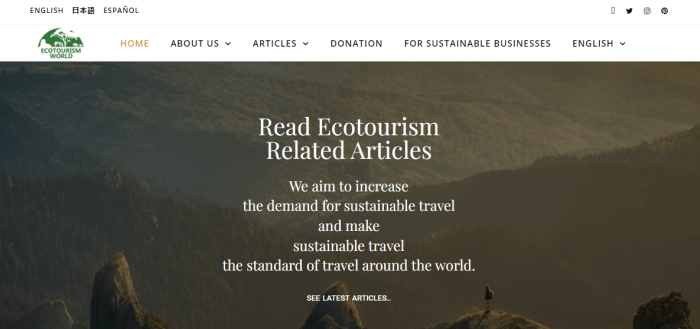
Eco-tourism, while offering a compelling vision of sustainable travel, presents a unique set of economic opportunities and challenges for businesses. Understanding these dynamics is crucial for both entrepreneurs entering the field and established tourism operators seeking to integrate eco-friendly practices. Profitability in eco-tourism requires a delicate balance between environmental responsibility and financial viability.Eco-tourism businesses benefit from a growing market of environmentally conscious travelers willing to pay a premium for sustainable experiences.
This translates into higher profit margins compared to traditional tourism models, particularly when focusing on niche markets and offering unique, authentic experiences. However, challenges include higher initial investment costs associated with sustainable infrastructure and certifications, the need for skilled workforce training in eco-conscious practices, and the vulnerability to external factors like climate change and fluctuating demand. Successful eco-tourism businesses navigate these complexities by strategically managing resources, diversifying revenue streams, and fostering strong community partnerships.
Economic Benefits and Challenges of Eco-Tourism Businesses
The economic benefits of eco-tourism are multifaceted. Higher-priced tours and accommodation translate directly into increased revenue per customer. Furthermore, eco-tourism often stimulates local economies by creating jobs in hospitality, guiding, and related services, thereby reducing reliance on potentially damaging extractive industries. However, the challenges are equally significant. Start-up costs for eco-lodges and sustainable tour operators can be considerably higher due to the need for environmentally friendly construction materials, waste management systems, and renewable energy sources.
Marketing and outreach efforts also require targeted strategies to reach the specific niche of eco-conscious travelers. Seasonal variations in tourism demand can also pose a significant challenge, requiring businesses to implement strategies for off-season revenue generation. Finally, the need for ongoing investment in sustainability initiatives, such as staff training and environmental monitoring, adds to the operational costs.
Examples of Successful Eco-Tourism Businesses and Their Strategies
Several eco-tourism businesses demonstrate successful models for balancing profitability and sustainability. For instance, the “Pacuare River Lodge” in Costa Rica, accessible only by horseback or raft, prioritizes minimal environmental impact through its remote location and commitment to sustainable practices. Their marketing emphasizes the unique adventure and connection with nature, attracting a clientele willing to pay a premium for this exclusive experience.
Another example is “Explora Patagonia,” a luxury eco-lodge in Chile, which focuses on immersive experiences and invests heavily in community development initiatives, demonstrating that high-end eco-tourism can be both profitable and socially responsible. Their marketing leverages stunning imagery and emphasizes the unique cultural and natural aspects of Patagonia. These examples highlight the importance of developing a strong brand identity that resonates with the target market and showcases the unique value proposition of sustainable travel.
The Role of Certifications and Accreditation in Eco-Tourism
Certifications and accreditations play a crucial role in building trust and credibility within the eco-tourism sector. Organizations such as Global Sustainable Tourism Council (GSTC) and Green Globe offer internationally recognized standards for sustainable tourism practices. These certifications assure travelers that a business genuinely adheres to environmental and social responsibility principles, thereby increasing consumer confidence and attracting a wider range of environmentally conscious customers.
Furthermore, certifications can enhance a business’s reputation and brand image, making it more competitive in the market. The process of obtaining these certifications, however, can be costly and time-consuming, requiring businesses to invest in thorough audits and compliance measures.
Case Study: Financial Impact of Sustainable Practices
A hypothetical case study illustrates the financial impact of sustainable practices. Consider a small eco-lodge that invests in solar panels, reducing its electricity costs by 50% annually. This translates to a significant reduction in operational expenses. Simultaneously, the lodge implements a comprehensive waste management program, reducing disposal fees and attracting environmentally conscious guests willing to pay a premium for their commitment to sustainability.
These combined actions could increase annual net profit by 15-20%, demonstrating the potential for long-term financial gains through sustainable investments. While specific figures vary based on business size and location, this illustrates how sustainable practices can lead to both cost savings and increased revenue. The key is to integrate these practices strategically, balancing upfront investment costs with long-term economic benefits.
Travel Resources Related to Eco-Friendly Travel
Planning an eco-conscious trip requires more than just choosing a green destination; it necessitates utilizing resources that support sustainable tourism. This section provides a curated collection of tools and information to help you plan and execute a responsible and enjoyable eco-friendly adventure. We’ll cover deals, insurance, apps, and essential packing items to ensure your journey minimizes its environmental footprint.
Eco-Friendly Travel Deals and Destinations
Finding affordable and sustainable travel options can be surprisingly easy with the right resources. Many organizations and websites specialize in curating eco-lodges, sustainable tours, and responsible travel experiences. These platforms often feature deals and discounts, making eco-tourism more accessible.
- Booking.com: While a large platform, Booking.com now features a filter for sustainable accommodations, allowing you to easily find eco-friendly hotels and guesthouses.
- G Adventures: This tour operator focuses on small group adventures with a commitment to responsible tourism, often partnering with local communities and minimizing environmental impact.
- Responsible Travel: This website is a dedicated resource for finding eco-friendly tours and accommodations worldwide, often highlighting unique and lesser-known destinations.
Eco-Tourism Travel Insurance
Standard travel insurance policies may not always cover activities specific to eco-tourism, such as hiking in remote areas or participating in wildlife conservation projects. It’s crucial to select a policy that includes coverage for these activities and potential risks, including medical emergencies in remote locations, trip cancellations due to unforeseen environmental events, and lost or damaged eco-friendly equipment.
- World Nomads: Offers comprehensive travel insurance plans that often include coverage for adventure activities and emergency medical evacuation, which is particularly important for eco-tourism destinations.
- SafetyWing: Provides affordable and flexible travel medical insurance, suitable for longer-term travel and covering a wide range of activities, including those related to eco-tourism.
Note: Always carefully review the terms and conditions of any insurance policy to ensure it adequately covers your planned activities and potential risks.
Eco-Friendly Travel Apps
Several mobile applications are designed to assist eco-conscious travelers in finding sustainable accommodations, transportation, and activities. These apps can significantly simplify the process of planning a responsible trip.
- Sustainable Travel App: (Note: This is a hypothetical example; the availability of such an app should be independently verified) This type of app could provide a comprehensive database of eco-friendly businesses, transportation options, and local initiatives.
- HappyCow: While primarily focused on vegetarian and vegan restaurants, this app can be helpful for finding plant-based food options while traveling, supporting sustainable food systems.
- Moovit: This public transportation app helps you navigate cities using buses, trains, and subways, reducing your reliance on private vehicles and contributing to lower carbon emissions.
Essential Packing Items for Eco-Friendly Travel
Packing sustainably minimizes your environmental impact and reduces waste. Choose reusable items, avoid single-use plastics, and select products made from recycled or sustainable materials.
- Reusable water bottle: Staying hydrated while reducing plastic waste.
- Reusable shopping bag: For carrying groceries and souvenirs.
- Bamboo cutlery set: A sustainable alternative to disposable plastic cutlery.
- Sunscreen in reef-safe packaging: Protecting both your skin and marine ecosystems.
- Lightweight, durable backpack: Reducing the need for multiple bags and minimizing your luggage weight.
Visual Representation of Eco-Friendly Travel
Visuals play a crucial role in showcasing the appeal and impact of eco-friendly travel. By strategically employing photography, infographics, and video, we can effectively communicate the beauty of sustainable tourism and inspire others to adopt responsible travel practices. This section will explore how different visual mediums can powerfully represent the essence of eco-conscious exploration.
Photograph Depicting Sustainable Travel
Imagine a photograph: the sun dips below the horizon, casting a warm golden light on a small, secluded eco-lodge nestled within a lush rainforest. The lodge, built from sustainably sourced bamboo and featuring a thatched roof, blends seamlessly with its surroundings. A lone traveler, dressed in light, neutral-colored clothing, sits on the veranda, sipping tea from a reusable mug.
They are engrossed in a book, the sounds of the rainforest – the chirping of crickets, the rustling of leaves – forming a gentle soundtrack to their peaceful evening. The image emphasizes the harmony between the traveler and their environment. There’s no visible trash or signs of environmental damage; instead, the scene conveys a sense of tranquility and respect for nature.
The soft lighting, natural colors, and the traveler’s calm demeanor all contribute to a feeling of serenity and mindful travel. The lack of modern technology visible further reinforces the idea of a digitally detoxed, nature-focused experience.
Infographic Showcasing Environmental Benefits of Eco-Friendly Travel
An infographic illustrating the environmental benefits of eco-friendly travel would employ a clean, visually appealing design. The central theme would be a world map, with various eco-friendly travel options highlighted – cycling tours in Amsterdam, train travel across Europe, hiking in Costa Rica’s cloud forests. Each location would be accompanied by a small icon representing a key environmental benefit.
For example, cycling in Amsterdam would be paired with an icon showing reduced carbon emissions, while the Costa Rican hike would be linked to an icon depicting biodiversity conservation. Data would be presented in a clear and concise manner, using bar graphs to compare the carbon footprint of different modes of transport (e.g., flying versus taking the train) and pie charts to show the percentage reduction in water usage at eco-lodges compared to traditional hotels.
The infographic would conclude with a compelling call to action, encouraging readers to make more sustainable travel choices. For example, a bar graph could show that choosing a train over a plane for a 500-mile journey reduces your carbon footprint by 80%, based on average emission data per passenger-mile.
Video Caption Showcasing an Eco-Friendly Destination
“Discover the hidden paradise of El Nido, Palawan. Explore pristine beaches, kayak through crystal-clear waters teeming with vibrant marine life, and hike through lush jungles untouched by mass tourism. This stunning video showcases the beauty and sustainability of El Nido, where responsible tourism practices protect this fragile ecosystem for generations to come. Witness the commitment to conservation, from locally-owned eco-lodges powered by renewable energy to community-based initiatives that empower locals and preserve the environment.
Immerse yourself in the breathtaking landscapes and discover the transformative power of sustainable travel.” This caption emphasizes the visual storytelling aspects of the video, highlighting the destination’s beauty and the importance of its conservation efforts. It directly addresses the viewers, inviting them to experience the destination through the video and learn about its sustainability initiatives.
In conclusion, the rise of travel blogs focused on eco-friendly destinations signifies a powerful shift towards responsible and sustainable tourism. These blogs not only showcase breathtaking locations but also educate and inspire travelers to make conscious choices that minimize their environmental footprint. By highlighting successful eco-tourism businesses and providing practical resources, these platforms play a crucial role in promoting a more sustainable future for the travel industry.
The future of travel is undoubtedly greener, and these blogs are leading the way.
Frequently Asked Questions
What are the benefits of choosing eco-friendly travel?
Eco-friendly travel minimizes your environmental impact, supports local communities, and often leads to more authentic and enriching travel experiences.
How can I find eco-friendly accommodations?
Look for certifications like LEED or Green Globe, or use travel apps and websites specializing in sustainable tourism.
Are there any downsides to eco-friendly travel?
Eco-friendly options may sometimes be more expensive or less readily available than conventional options. However, the benefits often outweigh the drawbacks.
How can I reduce my carbon footprint while traveling?
Choose sustainable transportation (train, bus), offset your carbon emissions, reduce waste, and support local businesses.


